
Hair Loss From Stress And Burnout — Your Scalp, Hormones, and Real Solutions
You're already dealing with work stress, family responsibilities, and maybe perimenopause on top of it all. Now your hair is thinning, and you're finding more strands on your pillow, in the shower drain, and stuck to your brush. Here's the thing — hair loss from stress isn't just "in your head," and it's not your fault.
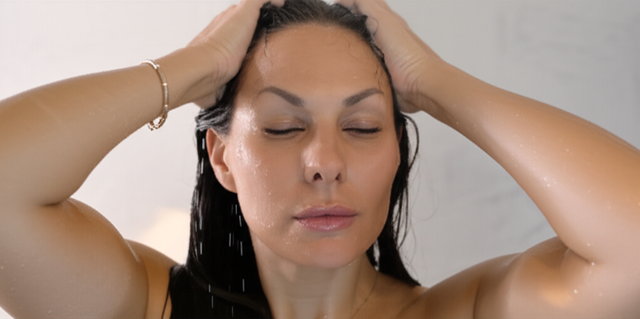
Let's be honest: when you're a Black or Latina woman juggling everything, hair changes feel personal. Your hair is part of your identity, your confidence, your morning routine that's already squeezed for time. When it starts falling out or thinning, it adds another layer of stress to an already full plate.
This article will break down exactly what's happening in your body when stress attacks your scalp, why it hits women in their 35-60s especially hard, and what you can actually do about it without adding more stress to your life.
To explore a medically guided option for supporting healthy hair growth, you can learn more about our Body Good program here: Learn more about Body Good's hair and scalp support.
What's Actually Going On: Stress Meets Your Hair Follicles
When you're chronically stressed or burned out, your body produces more cortisol — that's your main stress hormone. High cortisol doesn't just make you feel wired and tired; it actually disrupts the natural hair growth cycle. Your hair follicles go into "survival mode" and basically decide growing hair isn't a priority right now.
Here's what happens at the scalp level:
Cortisol shrinks hair follicles — making new hair grow thinner and weaker
Your hair cycle gets disrupted — more hairs enter the "shedding" phase at once instead of growing
Blood flow to your scalp decreases — so your follicles get fewer nutrients and oxygen
Add in hormonal changes from perimenopause, PCOS, or thyroid issues, and you've got a perfect storm for hair loss. Estrogen and progesterone help keep hair in the growth phase longer, so when those drop, your hair gets the double hit of stress plus hormonal shifts.
How This Shows Up in Real Life for Women 35-60
If you're dealing with stress-related hair loss, you're probably noticing changes that go way beyond just seeing more hair in your brush. This affects your entire day, your confidence, and how you show up in the world.
The Daily Reality
You might be spending extra time trying to style thinner hair, avoiding certain hairstyles you used to love, or feeling self-conscious in meetings or social situations. Maybe you're wearing hats more often, or you've started researching wigs and extensions. The mental load of managing hair loss while managing everything else in your life is exhausting.
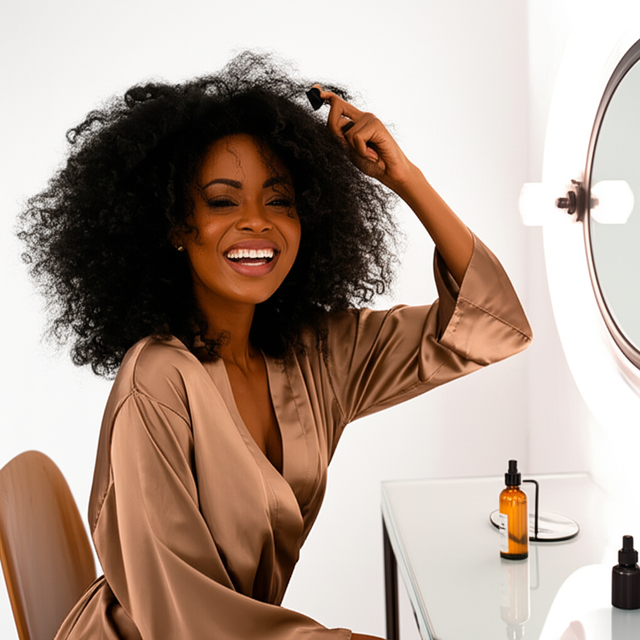
Your scalp might feel more sensitive, itchy, or even painful. Some women notice their part getting wider or see more scalp showing through, especially at the crown. It's not just about vanity — it's about feeling like yourself.
The Perimenopause Connection
If you're between 35-50, perimenopause could be making stress-related hair loss worse. Fluctuating estrogen and progesterone levels create their own hair disruption, and when you add chronic stress on top, it's like your follicles are getting hit from all sides. You might notice hair loss is worse during particularly stressful months or seems to coincide with other perimenopausal symptoms like brain fog, mood changes, or irregular periods.
Practical, Low-Lift Actions You Can Start Now
You don't need a complete life overhaul to start supporting your hair and managing stress. These are realistic steps that fit into a busy life:
Switch to a silk or satin pillowcase and scrunchies — reduces friction and breakage while you sleep, and silk pillowcases are gentler on both your hair and skin.
Try scalp massage for 2-3 minutes while washing your hair — improves blood flow to follicles and feels good. Use the pads of your fingers, not your nails, and focus on gentle circular motions.
Add a daily multivitamin with biotin, iron, and B-vitamins — stress depletes these nutrients that your hair follicles need. Look for ones specifically formulated for hair, skin, and nail health.
For comprehensive nutritional support designed specifically for women dealing with hair and scalp concerns, you can explore our targeted approach here: Body Good's hair, skin, and nails program.
When It's Time to Get Extra Help
Sometimes stress-related hair loss needs more than lifestyle changes, and that's completely normal. You're not "failing" if DIY approaches aren't enough — you're being smart about getting the support you need.
Consider medical help if you're seeing significant thinning, bald patches, or if hair loss is affecting your quality of life. A healthcare provider can check for underlying issues like thyroid problems, PCOS, or nutritional deficiencies that might be contributing to hair loss alongside stress.
Prescription treatments, targeted supplements, or hormone support might be the missing piece. Some women benefit from topical treatments like minoxidil, while others need to address hormonal imbalances or nutrient deficiencies that can't be fixed with over-the-counter options alone.
The key is working with someone who understands that hair loss in women — especially women of color — isn't just cosmetic. It affects your confidence, your daily routine, and your sense of self. Getting help isn't weakness; it's taking control.
If you're ready to explore a comprehensive approach that addresses hair health from the inside out, our Body Good program combines targeted nutrition with medical guidance: Learn about our hair and scalp support program.
Bottom Line
Hair loss from stress and burnout is real, it's common, and it's not your fault. Your body is responding to chronic stress in a completely normal way — it's just that "normal" doesn't make it any less frustrating when you're the one dealing with it.
The good news is that stress-related hair loss is often reversible when you address both the stress and give your body the support it needs to grow healthy hair again. Whether that's through lifestyle changes, targeted nutrition, medical support, or a combination, you have options. You don't have to accept thinning hair as just another thing you have to deal with.
Keep reading

NAD+ for Burnout: What Every Tired Woman Needs to Know About This Energy Molecule
Feeling constantly drained? Learn how NAD+ might help with burnout and fatigue, plus practical steps every busy woman can take today.

NAD+ for Burnout and Fatigue: What Every Busy Woman Needs to Know
Tired of being tired? Learn how NAD+ can help with burnout and fatigue, especially for women 35-60 juggling work, family, and hormonal changes.
Oral Maintenance Options After GLP-1s
Transitioning off GLP-1 medications doesn't mean your progress has to stop. Learn about oral maintenance options that may help support healthy weight management and long-term success with Body Good Studio.
Maintenance Dosing vs Stopping GLP-1s: Which Is Right for You?
Should you continue maintenance dosing or stop GLP-1 treatment after reaching your weight goals? This blog explores the benefits, risks, and key factors to help you choose the best long-term approach with guidance from Body Good Studio.
What Causes Regain and How to Prevent It
Weight regain can happen for many reasons, from metabolic changes to lifestyle habits after losing weight. This blog explains the common causes and shares practical, science-backed strategies to help maintain long-term results with Body Good Studio.
Stopping GLP-1s and Keeping Weight Off: Step-Down Plans, Maintenance Dosing, and Metabolic Support
Stopping GLP-1 medications does not have to mean regaining weight. This blog explores effective step-down strategies, maintenance dosing options, and metabolic support solutions that can help sustain long-term weight loss results. Learn how lifestyle habits, targeted supplements, and wellness injections may support metabolism, appetite control, and overall wellness after GLP-1 treatment. Discover practical approaches to maintaining your progress and achieving lasting weight management success.