
Ingredients to Avoid for Sensitive Skin: Dermatologist-Backed Tips That Actually Work
Let's be honest – if you're a woman over 35 dealing with suddenly sensitive skin, you're probably tired of products that promise the world and deliver irritation instead. Your skin used to handle everything, and now even your old faithful moisturizer is causing redness and breakouts.
Here's the thing: sensitive skin doesn't just happen overnight for no reason. Between hormonal shifts, stress, and all the products marketed to us promising "anti-aging miracles," our skin barriers are under constant attack. The good news? Once you know which ingredients are triggering your skin, you can actually start healing it.
To explore a medically guided option for comprehensive wellness support, you can learn more about our Body Good program here: Learn more about this Body Good program.
What's Actually Going On With Your Sensitive Skin
When we talk about sensitive skin, we're really talking about a compromised skin barrier – that protective layer that keeps irritants out and moisture in. For women in their 30s, 40s, and beyond, several factors team up to weaken this barrier:
Hormonal changes: Declining estrogen during perimenopause reduces oil production and collagen, making skin thinner and more reactive
Chronic stress: Elevates cortisol, which breaks down the skin barrier and triggers inflammation
Over-treatment: Using too many active ingredients or switching products frequently overwhelms already stressed skin
When your barrier is compromised, ingredients that never bothered you before suddenly become enemies. Your skin starts reacting to everything because it literally can't protect itself anymore.
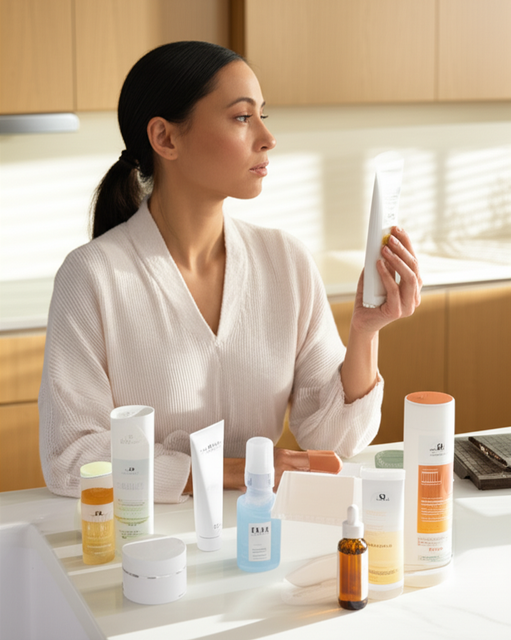
How Sensitive Skin Shows Up in Real Life for Women 35-60
Sensitive skin isn't just about occasional redness. For busy women juggling work, family, and everything else, it shows up as:
The Perimenopause Skin Storm
Your skin feels different – drier, thinner, more reactive. Products you've used for years suddenly cause stinging or breakouts. You're dealing with both dryness and unexpected acne, which makes choosing products feel impossible. The hormonal rollercoaster of perimenopause means your skin's needs change from week to week.
Stress and Sleep Showing on Your Face
When you're running on four hours of sleep and managing everyone else's needs, your skin reflects that stress. You notice more redness, especially around your nose and cheeks. Your skin feels tight and uncomfortable by afternoon. Even gentle products sometimes sting, especially when you're particularly stressed or haven't slept well.
Ingredients to Avoid When Your Skin is Acting Up
Here are the top offenders that dermatologists recommend avoiding when your skin is sensitive:
Fragrance and Essential Oils: Skip anything with "parfum," "fragrance," or essential oils like lavender, tea tree, or peppermint. These are the #1 cause of contact dermatitis. Look for products labeled "fragrance-free" (not just "unscented")
High-Concentration Acids: Put away the glycolic acid peels and high-strength retinols for now. Start with gentler alternatives like lactic acid or bakuchiol. Your skin needs healing, not more exfoliation
Harsh Preservatives: Avoid formaldehyde-releasing preservatives (look for DMDM hydantoin, quaternium-15, or imidazolidinyl urea) and opt for products with gentler preservation systems
When It's Time to Get Extra Help
Sometimes DIY skincare isn't enough, especially when hormones are involved. Consider getting professional help when:
Your sensitive skin started during perimenopause or significant life stress, you've simplified your routine but still have persistent redness or irritation, or you're dealing with both sensitivity and other concerns like melasma or adult acne. A dermatologist can help identify specific triggers through patch testing and recommend prescription treatments that work with your changing hormones.
For comprehensive support that addresses skin health from the inside out, consider exploring our Body Good approach: Learn more about this Body Good program.
Remember: asking for help isn't admitting defeat. When your skin barrier is compromised due to hormonal changes or chronic stress, sometimes you need medical-grade solutions to get back on track.
Bottom Line
Sensitive skin after 35 isn't a character flaw – it's your body responding to real changes in hormones, stress levels, and environmental factors. The solution isn't buying more products; it's removing the wrong ones and being strategic about what you put back.
Start by eliminating the major irritants (fragrance, high-acid concentrations, harsh preservatives), give your skin 4-6 weeks to calm down, then slowly reintroduce gentle actives if needed. Your skin didn't become sensitive overnight, and it won't heal overnight either – but with the right approach, you can absolutely get back to comfortable, healthy skin. To support your skin health as part of a comprehensive wellness approach, Learn more about this Body Good program.
Ready to Start Your Weight Loss Journey?
Take our quiz to find the best program for you
Take the Quiz →
Keep reading
Tirzepatide Dose: How Dosing Works for Weight Loss
Tirzepatide dosing starts low and increases gradually over months. Here's exactly how the dose schedule works, what to expect at each level, and how clinicians adjust your protocol.
Semaglutide Cost With Insurance: 2024 Coverage Guide
Wondering what semaglutide actually costs with your insurance? We break down copays, prior authorization, eligibility rules, and how to navigate coverage in 2024.
GLP-1: The Complete Guide to How These Medications Work
GLP-1 medications have transformed medical weight loss. Here's exactly how they work, what to expect, and whether they're right for you — from mechanism of action to real-world results.
Oral Maintenance Options After GLP-1s
Transitioning off GLP-1 medications doesn't mean your progress has to stop. Learn about oral maintenance options that may help support healthy weight management and long-term success with Body Good Studio.
Maintenance Dosing vs Stopping GLP-1s: Which Is Right for You?
Should you continue maintenance dosing or stop GLP-1 treatment after reaching your weight goals? This blog explores the benefits, risks, and key factors to help you choose the best long-term approach with guidance from Body Good Studio.
What Causes Regain and How to Prevent It
Weight regain can happen for many reasons, from metabolic changes to lifestyle habits after losing weight. This blog explains the common causes and shares practical, science-backed strategies to help maintain long-term results with Body Good Studio.