
NAD+ and Aging Skin: The Science Behind Cellular Health for Better Skin
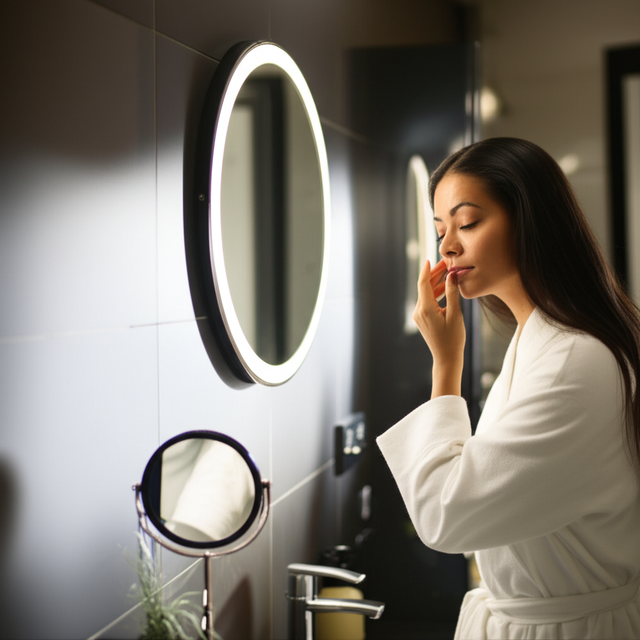
Let's be honest – you've probably noticed your skin doing things it didn't used to do. Maybe it's looking a little duller, healing slower from that hormonal breakout, or just not bouncing back like it did in your twenties. And here's the thing: everyone's telling you it's about expensive creams and complicated skincare routines.
But what if the real answer is happening deeper – at the cellular level? NAD+ (nicotinamide adenine dinucleotide) is a molecule that powers your cells, and as it declines with age, your skin shows it. This isn't about another miracle cure – it's about understanding what's actually happening in your body.
To explore a medically guided option for cellular support, you can learn more about our Body Good NAD+ program here: Learn more about Body Good NAD+ injections.
What's Actually Going On with NAD+ and Your Skin
NAD+ is basically your cells' energy currency. Think of it like the power that keeps your cellular machinery running smoothly. When you're younger, you have plenty of it. But starting around age 35, your NAD+ levels start dropping – and your skin cells feel it first.
Here's what happens when NAD+ levels decline:
- Your skin cells can't repair damage as efficiently (hello, slower healing from breakouts)
- Collagen production slows down, leading to fine lines and loss of firmness
- Your skin's ability to protect itself from environmental stress weakens
This isn't about vanity – it's about cellular health. Your skin is your largest organ, and when your cells aren't functioning optimally, it shows.
How This Shows Up in Real Life for Women 35–60

You might not be thinking about NAD+ levels when you're rushing to get ready in the morning, but you're definitely noticing the effects. Your skin might look tired even when you've slept well. That glow you used to have? It seems to need more and more products to fake it.
The Perimenopause Skin Stack
If you're in your 40s or 50s, you're dealing with a double hit. Declining estrogen is already affecting your skin's thickness and moisture retention. Add dropping NAD+ levels to the mix, and your skin cells are working with even less support. This is why so many women notice dramatic skin changes during perimenopause – it's not just hormones, it's cellular energy.
Stress and Sleep Impact on Skin Aging
Here's where it gets real for busy women: chronic stress and poor sleep accelerate NAD+ decline. Your skin cells need this molecule to repair the daily damage from UV exposure, pollution, and yes, that third cup of coffee you needed to get through the afternoon. When you're running on empty, your skin runs on empty too.
Practical, Low-Lift Actions She Can Start Now
You don't need to overhaul your entire life to support your NAD+ levels and skin health. Here are three realistic steps that actually make a difference:
Prioritize protein at breakfast: Your cells need amino acids to make and use NAD+ efficiently. Aim for 20-30 grams of protein within two hours of waking up. Think eggs with avocado, Greek yogurt with nuts, or a protein smoothie.
Get 15 minutes of morning sunlight: Natural light helps regulate your circadian rhythm, which supports cellular repair processes. Take your coffee outside or eat breakfast by a sunny window.
Try intermittent fasting 2-3 times per week: A 12-14 hour eating window can naturally boost NAD+ production. If you eat dinner at 7 PM, wait until 9 AM for breakfast. Start small and see how you feel.
When It's Time to Get Extra Help
Sometimes supporting NAD+ through lifestyle changes isn't enough, especially if you're dealing with significant skin changes, chronic fatigue, or the hormonal chaos of perimenopause. This is where targeted supplementation or NAD+ therapy comes in – and it's not "cheating" to get professional help.
NAD+ injections can directly support cellular energy production in ways that topical products and even oral supplements can't match. The molecule is too large to penetrate skin effectively, and it breaks down in your digestive system, so direct administration bypasses these issues.
Consider professional NAD+ support if you're experiencing persistent fatigue alongside skin concerns, if your skin isn't responding to quality skincare routines, or if you want to be proactive about cellular aging as you navigate your 40s and beyond.
For a comprehensive approach to cellular health and skin support, you can learn more about our Body Good NAD+ program here: Explore Body Good NAD+ injections.
Bottom Line
Your skin changes aren't a personal failing – they're a biological reality of declining cellular energy. NAD+ plays a crucial role in keeping your skin cells functioning optimally, and supporting these levels can make a real difference in how your skin looks and feels.
The key is understanding that healthy skin comes from healthy cells, and healthy cells need adequate energy to do their job. Whether you start with lifestyle support or explore professional NAD+ therapy, you're taking control of your cellular health – and your skin will thank you for it.
Ready to support your skin from the cellular level? Learn more about Body Good's NAD+ injection program and discover how targeted cellular support can help you feel confident in your skin again.
Keep reading

Vitamin C For Glowing Aging Skin: Real Talk About What Actually Works
Discover how vitamin C transforms aging skin for Black and Latina women 35+. Get dermatologist-backed tips for glowing, healthy skin at home.

NAD+ for Aging Skin: What Every Woman Over 35 Needs to Know
Discover how NAD+ supports aging skin from the inside out. Real talk on what works for women 35-60 dealing with fine lines, dullness, and skin changes.
Oral Maintenance Options After GLP-1s
Transitioning off GLP-1 medications doesn't mean your progress has to stop. Learn about oral maintenance options that may help support healthy weight management and long-term success with Body Good Studio.
Maintenance Dosing vs Stopping GLP-1s: Which Is Right for You?
Should you continue maintenance dosing or stop GLP-1 treatment after reaching your weight goals? This blog explores the benefits, risks, and key factors to help you choose the best long-term approach with guidance from Body Good Studio.
What Causes Regain and How to Prevent It
Weight regain can happen for many reasons, from metabolic changes to lifestyle habits after losing weight. This blog explains the common causes and shares practical, science-backed strategies to help maintain long-term results with Body Good Studio.
Stopping GLP-1s and Keeping Weight Off: Step-Down Plans, Maintenance Dosing, and Metabolic Support
Stopping GLP-1 medications does not have to mean regaining weight. This blog explores effective step-down strategies, maintenance dosing options, and metabolic support solutions that can help sustain long-term weight loss results. Learn how lifestyle habits, targeted supplements, and wellness injections may support metabolism, appetite control, and overall wellness after GLP-1 treatment. Discover practical approaches to maintaining your progress and achieving lasting weight management success.