
Postpartum Hair Loss in Black Women: Why Your Hair Is Falling Out and What Actually Works
Let's be honest – nobody warned you that having a baby could mean losing half your hair. One day you're glowing with that pregnancy hair thickness, and six months postpartum, you're finding clumps in the shower drain and wondering if you'll ever feel like yourself again.
If you're a Black woman dealing with postpartum hair loss, you're not imagining it, and it's not your fault. Your hair is going through something specific that most generic advice completely misses. Here's what's actually happening to your hair and scalp – and what you can do about it that actually works.
To explore a medically guided option for hair recovery, you can learn more about our Body Good hair restoration program here.
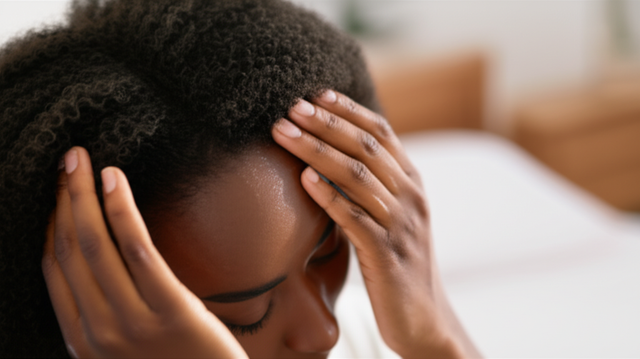
What's Actually Going On: The Biology Behind Postpartum Hair Loss
Here's the thing about postpartum hair loss in Black women – it's not just one thing happening. It's a perfect storm of hormonal changes hitting hair that's already been through a lot.
During pregnancy, your estrogen levels skyrocket, which keeps your hair in the growth phase longer. That's why pregnant women often get that thick, lustrous hair. But after delivery, those estrogen levels crash hard and fast. Your hair follicles get the signal to shed – all at once.
For Black women, this process can be especially intense because:
- Our hair follicles are already more fragile due to the curved structure of our hair shafts
- The hormonal crash can trigger inflammation that affects the scalp differently in women of color
- Stress from new motherhood can compound the hair loss, and chronic stress hits Black women harder due to systemic factors
How This Shows Up in Real Life for Women 35–60
Postpartum hair loss doesn't look the same for everyone. For Black women, especially those in their late 30s and beyond, it can feel particularly devastating because it's not just about volume – it's about edges, texture changes, and overall hair health.
The Edges Crisis
Your edges were probably the first to go, and they're the last to come back. You might notice your hairline receding or thinning spots around your temples. This isn't just cosmetic – for many Black women, our edges are tied to how we feel about our appearance and femininity. When they're gone, it can feel like losing part of your identity.
The Texture Switch-Up
Maybe your hair is coming back, but it's different. Coarser, thinner, or just not behaving the way it used to. This is common because the new hair growing from those shocked follicles might have a different structure. Your regular products might not work the same way, and your styling routine feels like it's working against you instead of with you.
Practical, Low-Lift Actions You Can Start Today
You don't need a complicated 20-step routine or expensive treatments to start supporting your hair recovery. Here are three realistic things you can do right now:
Scalp massage with purpose: Spend 5 minutes every night massaging your scalp with your fingertips (not nails). Use a lightweight oil like jojoba or argan if you want, but even dry massage helps increase blood flow to your follicles. Do this while you're watching TV or winding down.
Protein-first eating: Your hair is literally made of protein, and if you're breastfeeding, your body is prioritizing nutrition for milk production over hair growth. Aim for protein at every meal – eggs, Greek yogurt, beans, chicken, whatever works for your lifestyle and budget.
Gentle handling protocol: Skip tight ponytails, heavy braids, and heat styling for now. Your hair follicles are already stressed. Use silk or satin pillowcases and scrunchies, and air-dry when possible. This isn't forever – just while your hormones rebalance.
When It's Time to Get Extra Help
Sometimes DIY isn't enough, and that's completely normal. If you're six months postpartum and still losing significant amounts of hair, or if you're noticing bald spots that aren't filling in, it might be time for medical support.
For Black women, this is especially important because our hair loss can be compounded by other factors like PCOS, thyroid issues, or chronic stress – all of which are more common in women of color and often go undiagnosed.
Getting medical help doesn't mean you've failed or that you're being "dramatic." It means you're taking your health seriously. Options might include hormone testing, prescription treatments, or specialized hair growth therapies that work with your hair type and skin tone.
If you're ready to explore medical support for hair restoration, our Body Good hair recovery program is designed specifically for women of color dealing with hormonal hair changes.
Bottom Line
Postpartum hair loss in Black women is real, it's common, and it's not your fault. Your body just went through something incredible, and your hair is responding to massive hormonal shifts. While it can feel overwhelming, especially when you're already adjusting to life with a baby, remember that this is temporary for most women.
Your hair will likely recover, but it might take 12-18 months, and it might look different than before. That's okay. You're different than before too – in beautiful, powerful ways. Take care of your scalp, nourish your body, be gentle with yourself, and don't hesitate to get professional help if you need it. You deserve to feel confident and beautiful at every stage of your journey.
Ready to give your hair the targeted support it needs? Explore our Body Good hair restoration program designed for women who want real results, not empty promises.
Keep reading
Tirzepatide Dose: How Dosing Works for Weight Loss
Tirzepatide dosing starts low and increases gradually over months. Here's exactly how the dose schedule works, what to expect at each level, and how clinicians adjust your protocol.
Semaglutide Cost With Insurance: 2024 Coverage Guide
Wondering what semaglutide actually costs with your insurance? We break down copays, prior authorization, eligibility rules, and how to navigate coverage in 2024.
GLP-1: The Complete Guide to How These Medications Work
GLP-1 medications have transformed medical weight loss. Here's exactly how they work, what to expect, and whether they're right for you — from mechanism of action to real-world results.
Oral Maintenance Options After GLP-1s
Transitioning off GLP-1 medications doesn't mean your progress has to stop. Learn about oral maintenance options that may help support healthy weight management and long-term success with Body Good Studio.
Maintenance Dosing vs Stopping GLP-1s: Which Is Right for You?
Should you continue maintenance dosing or stop GLP-1 treatment after reaching your weight goals? This blog explores the benefits, risks, and key factors to help you choose the best long-term approach with guidance from Body Good Studio.
What Causes Regain and How to Prevent It
Weight regain can happen for many reasons, from metabolic changes to lifestyle habits after losing weight. This blog explains the common causes and shares practical, science-backed strategies to help maintain long-term results with Body Good Studio.