
Protective Styles That Actually Protect Your Scalp (Not Just Your Ends)
Let's be real: you've been told protective styles are the answer to all your hair problems. Twist it up, braid it down, leave it alone for weeks. But here's what nobody talks about – some "protective" styles are quietly wreaking havoc on your scalp while your ends stay moisturized.
If you're a Black or Latina woman dealing with thinning edges, tender scalp, or hair that's just not growing like it used to, this isn't about finding a "better" stylist. Your hormones are shifting, your stress levels are through the roof, and your scalp needs protection just as much as your hair does.
This article will break down which protective styles actually protect your scalp, why your hairline might be paying the price for cute styles, and what you can do starting today.
To explore a medically guided option for hair and scalp health, you can learn more about our Body Good program here: Learn more about Body Good's hair wellness approach.
What's Actually Going On With Your Scalp
Here's the thing your stylist probably didn't tell you: your scalp is skin. And just like the skin on your face, it can get irritated, inflamed, and damaged. When you're dealing with hormonal changes – whether that's perimenopause, PCOS, or just the general chaos of being a woman over 35 – your scalp becomes even more sensitive.
Your hair follicles are literally shrinking due to hormonal shifts. Add tight braids, heavy extensions, or constant tension, and you're creating the perfect storm for:
- Traction alopecia (hair loss from pulling)
- Follicular inflammation that stops new growth
- Scarring that makes regrowth impossible
The goal isn't to avoid protective styles altogether. It's to choose ones that work with your changing body, not against it.
How Scalp Damage Shows Up in Real Life for Women 35-60
You might not even realize your protective styles are causing problems until the damage is already done. Here's what scalp stress looks like day-to-day:
The Perimenopause Hair Stack
Your estrogen is dropping, which means less collagen production and thinner skin – including on your scalp. That braid pattern that felt fine at 25 now leaves you with headaches and tender spots. Your edges are receding not because you're doing anything "wrong," but because your scalp literally can't handle the same tension it used to.
You're also dealing with drier hair that breaks more easily, so styles that used to last 8 weeks now look ratty after 4. The constant re-doing is creating more manipulation, more tension, more problems.
Stress and Sleep Disruption
Poor sleep messes with your hair growth cycle, and tight styles can make sleep even worse. You're tossing and turning because your scalp hurts, then wondering why your hair isn't thriving. Meanwhile, stress hormones like cortisol are literally shrinking your hair follicles.
If you're waking up with headaches or your pillowcase has more hair on it than usual, your "protective" style might be doing the opposite of protecting.
Practical, Low-Lift Actions You Can Start Now
You don't need to cut all your hair off or stop protective styling. You just need to be smarter about it:
Try the "sleep test": If your style hurts when you lie down or keeps you awake, it's too tight. Period. A good protective style should feel like nothing on your head after the first day.
Switch to "medium hold" styles: Instead of tight braids, try chunky twists, loose bantu knots, or flexi rod sets. These give you the cute factor without the scalp stress. Aim for styles you can redo every 2-3 weeks instead of 6-8.
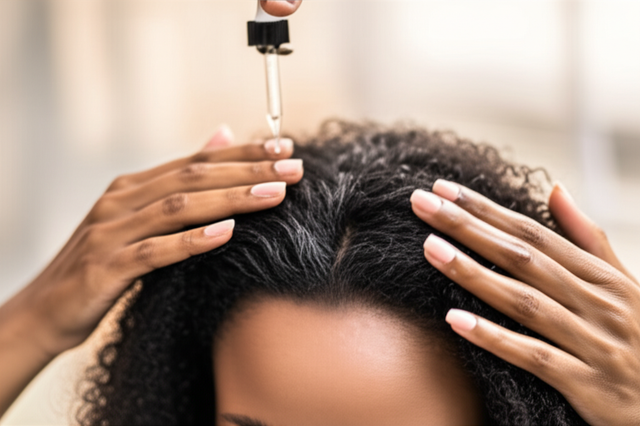
Invest in scalp care: Use a lightweight oil (jojoba or rosemary) on your scalp 2-3 times per week. Massage gently with your fingertips for 30 seconds. This increases blood flow and keeps follicles healthy.
When It's Time to Get Extra Help
Sometimes DIY scalp care and gentler styles aren't enough. If you're dealing with significant thinning, bald patches, or hair that's stopped growing entirely, that's your body telling you something deeper is going on.
Hormonal hair loss is real, and it's not your fault. GLP-1 medications, hormone therapy, or targeted hair growth treatments can help restore what genetics and time have taken away. This isn't about vanity – it's about feeling like yourself again.
Don't let anyone make you feel like you should just "accept" hair loss as part of aging. You have options, and asking for professional help is the smart move, not the weak one.
For comprehensive support that addresses the root causes of hair changes, you can explore our Body Good approach here: Learn more about Body Good's hair and hormone support.
Bottom Line
Protective styles should protect your scalp, not just your ends. If your current routine is causing pain, tension headaches, or thinning edges, it's time to switch things up. Your hair and scalp are dealing with enough stress from hormonal changes – your hairstyles don't need to add to it.
Remember: it's not about having "perfect" hair. It's about having healthy hair that makes you feel confident and comfortable. Sometimes the most protective thing you can do is give your scalp a break and get professional help when you need it.
Ready to take a comprehensive approach to your hair health? Explore Body Good's hair wellness solutions here.
Ready to Start Your Weight Loss Journey?
Take our quiz to find the best program for you
Take the Quiz →
Keep reading
Tirzepatide Dose: How Dosing Works for Weight Loss
Tirzepatide dosing starts low and increases gradually over months. Here's exactly how the dose schedule works, what to expect at each level, and how clinicians adjust your protocol.
Semaglutide Cost With Insurance: 2024 Coverage Guide
Wondering what semaglutide actually costs with your insurance? We break down copays, prior authorization, eligibility rules, and how to navigate coverage in 2024.
GLP-1: The Complete Guide to How These Medications Work
GLP-1 medications have transformed medical weight loss. Here's exactly how they work, what to expect, and whether they're right for you — from mechanism of action to real-world results.
Oral Maintenance Options After GLP-1s
Transitioning off GLP-1 medications doesn't mean your progress has to stop. Learn about oral maintenance options that may help support healthy weight management and long-term success with Body Good Studio.
Maintenance Dosing vs Stopping GLP-1s: Which Is Right for You?
Should you continue maintenance dosing or stop GLP-1 treatment after reaching your weight goals? This blog explores the benefits, risks, and key factors to help you choose the best long-term approach with guidance from Body Good Studio.
What Causes Regain and How to Prevent It
Weight regain can happen for many reasons, from metabolic changes to lifestyle habits after losing weight. This blog explains the common causes and shares practical, science-backed strategies to help maintain long-term results with Body Good Studio.