
If you're looking for another option, explore Metformin for metabolic and weight management to help improve insulin sensitivity and restore balance.
HORMONES
Tiny Habit Shifts for Perimenopause Insomnia That Actually Work
Linda Moleon•February 9, 2026
You're lying there at 2 AM again, mind racing, body exhausted but somehow wired. Sound familiar? If you're a woman in your 40s or 50s dealing with perimenopause insomnia, you're not alone and it's definitely not all in your head.
Here's the thing: your hormones are literally changing how your brain handles sleep, stress, and hunger signals. The same strategies that worked in your 30s? They might not cut it anymore. But before you resign yourself to years of sleepless nights and stubborn weight gain, let's talk about some tiny shifts that can make a real difference.
To explore a medically guided option that supports both sleep and weight management during this transition, you can learn more about our Body Good program here.

What's Actually Going On With Perimenopause Insomnia
Let's be honest—perimenopause is like your body's operating system getting a messy software update. Estrogen and progesterone, the hormones that used to keep your sleep cycle smooth, start fluctuating wildly. Progesterone, especially, is your natural chill-out hormone. When it drops, your brain loses a key signal to wind down.
Meanwhile, cortisol (your stress hormone) often gets stuck in overdrive. This creates a perfect storm where you're tired all day but can't fall asleep at night. And because sleep affects every hormone that controls hunger and metabolism, poor sleep often leads to:
- Intense cravings for carbs and sugar (especially at night)
- Stubborn belly weight that seems impossible to lose
- Energy crashes that make you rely on caffeine and quick fixes
How This Shows Up in Real Life for Women 35–60
Maybe you recognize this cycle: You're exhausted by 3 PM, so you grab another coffee or something sweet. You finally get the kids settled and try to unwind, but your brain won't shut off. You're thinking about work deadlines, family drama, that thing you forgot to do.
The Perimenopause Sleep Stack
It's not just one thing keeping you up. Hot flashes wake you up. Anxiety keeps you up. Your partner's snoring bothers you more than it used to. Even when you do fall asleep, you wake up feeling like you got hit by a truck. Then you're too tired to make good food choices, which affects your blood sugar, which affects your sleep. It's exhausting.
The Weight Gain Connection
Poor sleep messes with leptin and ghrelin—the hormones that tell you when you're full or hungry. When you're sleep-deprived, your body literally thinks you're starving, so it holds onto fat and makes you crave calorie-dense foods. Add in the stress of not sleeping, and your cortisol levels stay high, which promotes belly fat storage.
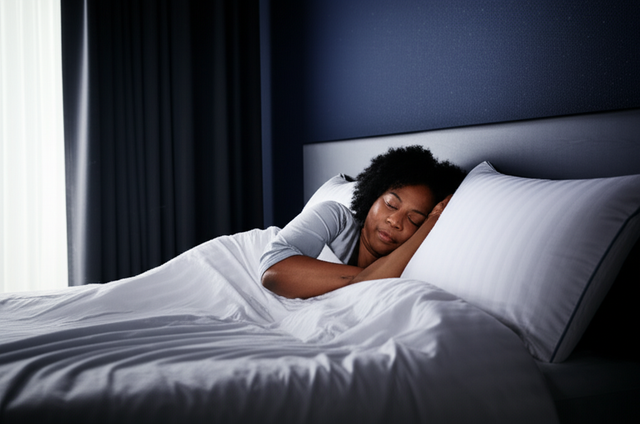
Practical, Low-Lift Actions She Can Start Now
You don't need to overhaul your entire life. These tiny shifts work because they support your changing biology instead of fighting against it:
The 10-10-10 Rule: No caffeine after 10 AM, no food after 10 PM, and 10 minutes of any calming activity before bed. This could be deep breathing, gentle stretching, or just sitting quietly. Your nervous system needs a clear transition signal.
Cool and Dark by 9 PM: Drop your bedroom temperature to 65-68°F and start dimming lights throughout your home after dinner. Your core body temperature needs to drop to trigger sleep, and perimenopause often messes with your internal thermostat.
Morning Protein Within 2 Hours: Aim for 20-30 grams of protein in the morning to stabilize blood sugar all day. This prevents the energy crashes that lead to late-night snacking and helps your body produce the neurotransmitters you need for better sleep.
These aren't magic bullets, but they work with your changing hormones instead of against them. And here's what's key—you don't have to be perfect. Pick one and stick with it for two weeks before adding another.
When It's Time to Get Extra Help
Sometimes DIY isn't enough, and that's okay. You're not weak for needing support—you're dealing with real biological changes. Consider medical help if you're still struggling after trying basic sleep hygiene for a few weeks, especially if you're also dealing with significant weight gain, mood changes, or hot flashes that disrupt your sleep multiple times per night.
Options like hormone therapy, sleep aids, or medically supervised weight management programs can give your body the extra support it needs during this transition. The goal isn't to muscle through with willpower—it's to give your body what it needs to function well during a time of major change.
If you're ready to explore a comprehensive approach that addresses both sleep and weight management during perimenopause, learn why perimenopause belly fat increases and how hormones affect your weight.
Bottom Line
Perimenopause insomnia isn't a character flaw or something you need to just accept. Your body is going through real hormonal changes that affect sleep, stress, and weight in ways that weren't an issue before. The tiny habit shifts above work because they support your biology during this transition instead of fighting against it.
You deserve to sleep well and feel good in your body. If these small changes help, great. If you need more support, that's normal and smart. Getting the right help during perimenopause isn't giving up—it's taking control with the tools that actually work for where you are right now.
Keep reading

HORMONES
Why You Can't Stop Night Eating (And What Actually Works)
Night eating isn't about willpower. Learn why late night cravings happen and get practical solutions that work for busy women.

HORMONES
How To Build A Perimenopause Weight Loss Plan That Actually Works for Women Over 40
Build a perimenopause weight loss plan that works with your hormones, not against them. Science-backed strategies for women 40-60.

HORMONES
Why Perimenopause Weight Gain Happens Even When You Haven't Changed Your Diet
Gaining weight in perimenopause despite eating the same? It's not your fault. Learn why your body changes and what actually works for women 35-60.

HORMONES
How To Build A Perimenopause Weight Loss Plan That Actually Works for Women 40+
Build a perimenopause weight loss plan that works WITH your hormones, not against them. Real strategies for women 40+ dealing with midlife weight gain.

HORMONES
Why You're Gaining Weight in Perimenopause When You Haven't Changed Your Diet
Frustrated by unexpected weight gain during perimenopause? Here's why your body is changing and what actually works to manage it.

HORMONES
Why Youre Eating At Night And How To Stop Night Eating For Good
<p>Struggling with late-night hunger? Understand what drives night eating and follow effective, realistic steps to curb cravings and stop eating at night for good.</p>