
Traction Alopecia From Protective Styles: How to Save Your Hairline Without Giving Up Your Look
Let's be real — you've been doing everything "right" with your hair. Protective styles, low manipulation, following all the natural hair rules. But now you're noticing your edges getting thinner, or maybe there's a bald spot where your ponytail sits. You're wondering if your protective styles are actually protecting anything at all.
Here's the thing: traction alopecia from protective styles is more common than anyone wants to admit, especially for Black and Latina women who've been taught that tight braids and sleek updos are the gold standard for hair care. But your thinning hairline isn't a sign that you're doing something wrong — it's your scalp telling you it needs a different approach.
This article will break down what's really happening when protective styles start working against you, plus give you practical ways to keep your hair healthy without sacrificing your style game.

To explore a medically guided approach to hair health, you can learn more about our Body Good program here: Learn more about Body Good's hair health solutions.
What's Actually Going On With Traction Alopecia
Traction alopecia happens when constant pulling or tension on your hair follicles causes them to weaken and eventually stop producing hair. Think of it like this: your hair follicles are like plants in soil. If you keep yanking on the plant, eventually you're going to damage the roots so badly that nothing can grow there anymore.
Here's what's happening at the scalp level:
Constant tension from tight braids, ponytails, or weaves cuts off blood flow to hair follicles, starving them of nutrients
Inflammation builds up around stressed follicles, creating a hostile environment for hair growth
Scarring can develop in severe cases, making hair loss permanent because the follicle structure is destroyed
The tricky part? Traction alopecia doesn't happen overnight. You might not notice the damage for months or even years, which is why so many women think their hair loss is sudden when it's actually been building up slowly.
How This Shows Up in Real Life for Women 35–60
If you're dealing with traction alopecia, you're probably noticing some frustrating changes that go way beyond just your hairline. Your hair routine that worked for years suddenly feels like it's working against you, and you're spending more time and money trying to cover up problem areas.
The Perimenopause Factor
Here's what nobody talks about: if you're over 35, your hormones are already starting to shift, and that makes traction alopecia worse. Declining estrogen means your hair follicles are already more fragile, so any tension from protective styles hits harder. You might notice that styles you've worn for years are suddenly causing breakage or thinning in ways they never did before.
Plus, perimenopause often brings changes in hair texture — your hair might be drier or more brittle, making it less able to handle the stress of tight styling.
The Stress and Sleep Connection
Let's be honest about your life right now. You're probably juggling work, family, maybe aging parents, and trying to maintain some version of yourself in the process. Chronic stress pumps up cortisol levels, which can shrink hair follicles and make traction alopecia worse.
And when you're exhausted from poor sleep (thanks, night sweats and racing thoughts), your body doesn't have the resources to repair the daily damage to your hair follicles. It's like trying to fix a leaky roof while more rain keeps pouring in.
To address the hormonal piece of hair health alongside your styling routine, you can explore our comprehensive approach here: Learn more about Body Good's holistic hair support.
Practical, Low-Lift Actions You Can Start Now
You don't need to give up protective styles completely or spend hundreds of dollars on products. Here are three realistic changes you can make starting this week:
Try the "loose enough for a finger" rule — When your stylist is braiding or you're putting your hair up, you should be able to slip a finger under the style comfortably. If you can't, it's too tight. Yes, it might not last quite as long, but your hairline will thank you.
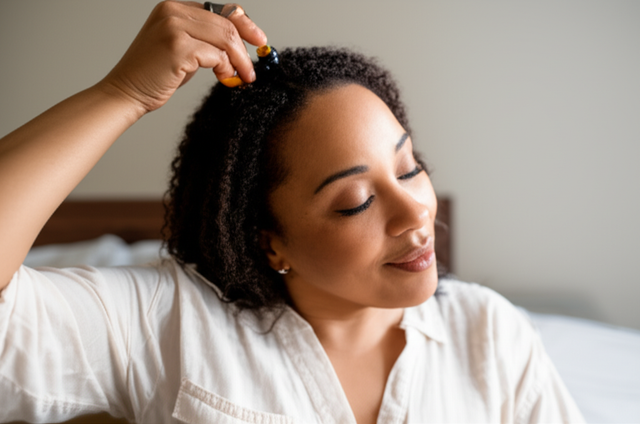
Give your scalp a two-week break every 6-8 weeks — Between protective styles, let your hair be completely loose for at least two weeks. Use this time for gentle scalp massages with a nourishing oil to boost blood flow and give follicles a chance to recover.
Switch up your tension points — Don't put stress on the same areas every time. If you always do a middle part, try a side part. If you always pull everything back tight, try some loose styles around your face. Your follicles need variety.
When It's Time to Get Extra Help
Sometimes doing everything "right" with your hair care isn't enough, especially if you're dealing with hormonal changes, chronic stress, or genetic factors that make your hair more vulnerable to traction alopecia.
Here are signs it's time to consider medical support:
If you're noticing significant thinning despite loosening your styles, if bald patches aren't growing back after several months of gentle care, or if you're dealing with scalp irritation or scarring, a healthcare provider who understands hair loss can help determine if there are underlying hormonal or nutritional issues contributing to the problem.
Professional treatments like topical medications, scalp therapies, or addressing hormonal imbalances through perimenopause support can make a huge difference in your hair's ability to recover and grow. This isn't about vanity — it's about giving your body the support it needs to function optimally.
Getting help doesn't mean you've failed at taking care of your hair. It means you're smart enough to recognize when you need more tools in your toolkit.
For a comprehensive approach that addresses both the styling and biological factors affecting your hair health, you can explore our Body Good program here: Learn more about our complete hair health support.
Bottom Line
Traction alopecia from protective styles isn't about you doing anything wrong — it's about recognizing that your hair's needs might be changing, especially as your hormones shift and life stress builds up. The "no pain, no gain" mentality that some of us learned around hair care can actually work against us.
Your hair doesn't have to be pulled tight to be protected. In fact, the best protection you can give your hair is gentle handling, variety in styling, and addressing any underlying factors like hormonal changes or chronic stress that make your follicles more vulnerable. You deserve to feel confident in your hair without sacrificing its health — and with the right approach, you can absolutely have both.
Keep reading
Tirzepatide Dose: How Dosing Works for Weight Loss
Tirzepatide dosing starts low and increases gradually over months. Here's exactly how the dose schedule works, what to expect at each level, and how clinicians adjust your protocol.
Semaglutide Cost With Insurance: 2024 Coverage Guide
Wondering what semaglutide actually costs with your insurance? We break down copays, prior authorization, eligibility rules, and how to navigate coverage in 2024.
GLP-1: The Complete Guide to How These Medications Work
GLP-1 medications have transformed medical weight loss. Here's exactly how they work, what to expect, and whether they're right for you — from mechanism of action to real-world results.
Oral Maintenance Options After GLP-1s
Transitioning off GLP-1 medications doesn't mean your progress has to stop. Learn about oral maintenance options that may help support healthy weight management and long-term success with Body Good Studio.
Maintenance Dosing vs Stopping GLP-1s: Which Is Right for You?
Should you continue maintenance dosing or stop GLP-1 treatment after reaching your weight goals? This blog explores the benefits, risks, and key factors to help you choose the best long-term approach with guidance from Body Good Studio.
What Causes Regain and How to Prevent It
Weight regain can happen for many reasons, from metabolic changes to lifestyle habits after losing weight. This blog explains the common causes and shares practical, science-backed strategies to help maintain long-term results with Body Good Studio.