
What Actually Happens When You Start Losing Collagen in Your 30s (And What to Do About It)
Let's be honest – you've probably noticed your skin isn't bouncing back the way it used to. Maybe it's that fine line that showed up seemingly overnight, or the way your cheeks don't look as plump as they did five years ago. Here's the thing: this isn't about vanity or being "high maintenance." This is about understanding what's happening in your skin so you can make smart choices about how to take care of it.
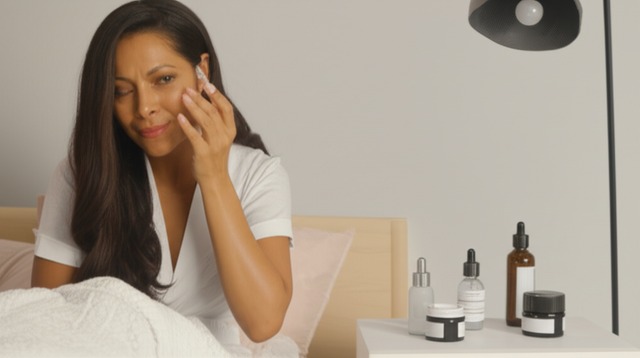
As Black and Latina women, we've been told our melanin-rich skin "doesn't age," but that's not the whole story. While we do have some advantages when it comes to sun protection, collagen loss affects all of us – and it starts earlier than you might think.
To explore a medically guided option for comprehensive wellness support, you can learn more about our Body Good program here: Learn more about Body Good's approach to wellness.
What's Actually Going On: The Science Behind Collagen Loss
Collagen is basically the scaffolding that keeps your skin firm, plump, and bouncy. Think of it like the springs in a good mattress – when they're strong, everything stays supported and in place. Starting around age 25, your body begins producing about 1% less collagen each year. By your 30s, you're definitely feeling it.
Here's what's happening under the surface:
- Your skin cells are turning over more slowly, so that fresh, glowy look takes longer to appear
- The collagen you do have starts breaking down faster than your body can replace it
- Your skin's natural moisture barrier gets weaker, leading to dryness and more visible lines
How This Shows Up in Real Life for Women 35-60
You know that feeling when you wake up and your pillow creases don't fade as quickly? Or when you smile and notice those laugh lines sticking around a little longer? That's collagen loss doing its thing. For many of us juggling work, kids, and life stress, these changes can feel like they're happening faster than we expected.
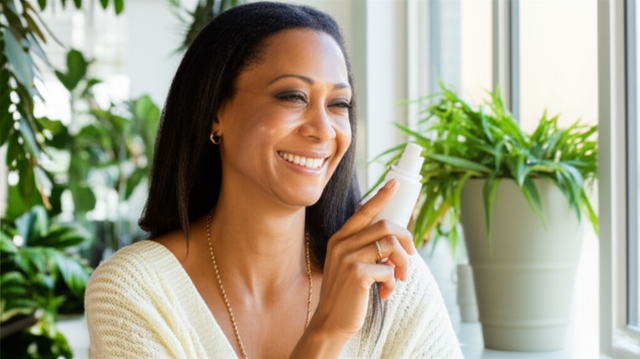
The Perimenopause Stack
If you're in your 40s, declining estrogen is making everything worse. Estrogen helps maintain collagen production, so as hormone levels drop during perimenopause, your skin loses its support system even faster. This is why some women notice dramatic changes seemingly overnight – it's not just aging, it's hormonal.
Stress and Sleep: The Collagen Killers
Chronic stress and poor sleep aren't just making you tired – they're accelerating collagen breakdown. High cortisol levels (hello, stress hormone) actually break down existing collagen faster. Add in those nights when you're up scrolling your phone instead of getting quality sleep, and your skin repair processes go haywire.
Practical, Low-Lift Actions She Can Start Now
You don't need a 12-step routine or expensive treatments to start supporting your skin. Here are three realistic changes that actually make a difference:
Add a retinol or retinoid to your evening routine – Start with a gentle, over-the-counter retinol 2-3 times per week. This is the gold standard for stimulating collagen production. If you have sensitive skin or are new to retinols, look for ones formulated for deeper skin tones.
Layer on the moisture with intention – Use a serum with hyaluronic acid or peptides under your moisturizer. This isn't about having perfect skin overnight; it's about giving your skin the building blocks it needs to repair itself.
Protect what you have with consistent SPF – UV damage speeds up collagen breakdown. Use a broad-spectrum SPF 30+ every day, even when you're working from home. Your future skin will thank you.
For women looking for more comprehensive support that addresses skin health from the inside out, you can explore how our Body Good approach integrates wellness and skincare: Discover Body Good's integrated approach.
When It's Time to Get Extra Help
Sometimes DIY skincare isn't enough, and that's completely normal. If you're dealing with significant changes in skin texture, stubborn hyperpigmentation, or loss of firmness that's affecting how you feel about yourself, it might be time to bring in professional support.
Dermatologists can offer treatments like prescription retinoids, chemical peels designed for melanin-rich skin, or in-office procedures that stimulate collagen production more dramatically than at-home options. There's no shame in wanting help – your skin is an investment in how you feel every day.
The key is finding providers who understand how to work with deeper skin tones safely. Not all treatments work the same way on all skin types, and you want someone who gets that.
Remember, comprehensive wellness – including stress management, hormone balance, and nutrition – plays a huge role in how your skin ages. To learn more about taking a whole-body approach to looking and feeling your best, check out our Body Good program: Explore Body Good's wellness approach.
Bottom Line
Collagen loss is a normal part of aging, but you're not powerless against it. The changes you're seeing aren't about failing to take care of yourself – they're about biology. The good news? With consistent, smart skincare choices and the right support when you need it, you can absolutely influence how your skin ages.
Start small, be consistent, and remember that taking care of your skin isn't vanity – it's self-care. You deserve to feel confident in your skin at every age.
Ready to Start Your Weight Loss Journey?
Take our quiz to find the best program for you
Take the Quiz →
Keep reading

Peptides In Skincare For Firmness: Real Talk About What Actually Works for Women Over 35
Discover how peptides in skincare for firmness can help women 35+ fight sagging skin. Get dermatologist-backed tips for at-home care that actually work.

Vitamin C for Glowing Skin After 35: What Actually Works for Aging
Real talk on vitamin C for glowing skin after 35. Science-backed tips that actually work for busy women dealing with aging, dark spots, and dull skin.

Collagen Loss in Your 30s and 40s: Dermatologist-Backed At-Home Care That Actually Works
Real talk about collagen loss in your 30s and 40s. Get dermatologist-backed at-home skincare tips that work for busy women of color.

Peptides for Skin Firmness: What Actually Works for Women Over 35
Dr. Linda Moleon breaks down how peptides for skin firmness really work, plus practical anti-aging skincare tips for busy women over 35.

Peptides In Skincare For Firmness: What Actually Works According to Dermatologists
Learn how peptides actually work for skin firmness and get dermatologist-backed at-home skincare tips that work for women of color over 35.

Vitamin C for Aging Skin: The Real Talk on Getting That Glow After 35
Real talk on vitamin C for aging skin. Learn how Black and Latina women 35+ can build an anti-aging skincare routine that actually works.