
Why Youre Eating At Night And How To Stop Night Eating For Good
You did great all day. Ate your salad at lunch, said no to the office donuts, even managed to get some protein in at dinner. Then 9 PM rolls around and suddenly you're standing in the kitchen with a bag of chips, wondering what the hell just happened.
Here's the thing: night eating and late night cravings aren't a character flaw. They're not about lacking willpower or being "bad." If you're a woman between 35 and 60, especially if you're dealing with perimenopause, stress, or hormonal changes, there are real biological reasons your body is driving you to eat after dark.
Let's talk about what's really going on and what you can actually do about it that doesn't involve white-knuckling your way through every evening for the rest of your life.
To explore a medically guided option that can help with cravings and appetite regulation, you can learn more about our Body Good program here: Learn more about Body Good's approach to managing cravings.
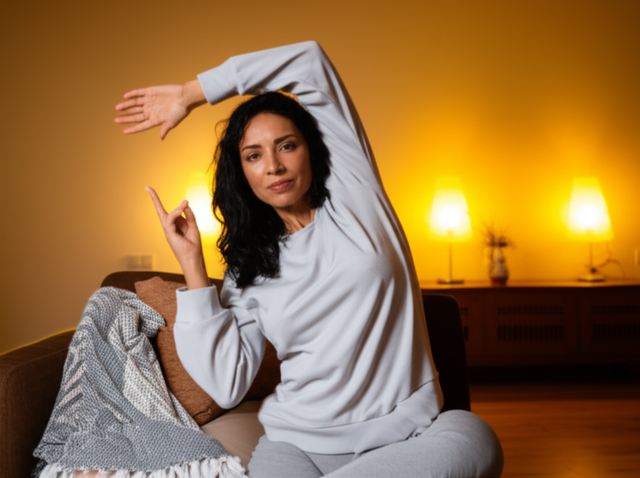
What's Actually Going On: The Biology Behind Night Eating
Your late-night kitchen raids aren't happening because you're weak. They're happening because several hormonal systems are working against you, especially after age 35:
Cortisol chaos: Chronic stress keeps your stress hormone elevated, which makes your body think it needs quick energy (hello, carbs and sugar) even when you're not actually hungry.
Insulin resistance creep: As we age and deal with stress, our cells become less responsive to insulin, leading to blood sugar swings that trigger intense cravings, especially at night when we're tired.
Leptin and ghrelin gone rogue: These are your hunger and fullness hormones, and they get disrupted by poor sleep, stress, and hormonal changes, making you feel genuinely hungry even when your body has had enough fuel.
Add in the fact that many of us are under-eating during the day (because we're "being good" or just too busy), and your body is basically staging a nighttime rebellion.
How This Shows Up in Real Life for Women 35-60
Let's be honest about what night eating actually looks like in your life. It's not just about the food - it's about how it affects everything else.
The Perimenopause Stack
If you're in perimenopause, you've got a perfect storm brewing. Your estrogen is all over the place, which affects your blood sugar stability and stress response. You're probably not sleeping as well, which messes with your hunger hormones even more. And let's not even talk about the stress of managing hot flashes, mood swings, and everything else while trying to keep your life together.
The result? You're exhausted by evening, your defenses are down, and your body is literally screaming for quick energy. Of course you're going to reach for something that gives you instant comfort and fuel.
Stress and Sleep: The Vicious Cycle
Maybe you're dealing with aging parents, teenagers, work pressure, or relationship stress. Your nervous system is constantly activated, which means your body thinks it's in survival mode. In survival mode, your brain prioritizes getting easy calories whenever possible.
Then you eat at night, feel guilty about it, sleep poorly, wake up more stressed, restrict during the day to "make up for it," and the cycle continues. Sound familiar?

Practical, Low-Lift Actions You Can Start Tonight
Forget the advice that tells you to just "have more willpower." Here are three realistic strategies that work with your biology instead of against it:
Eat enough protein and fat during the day: Aim for 20-30g of protein at each meal, especially breakfast. This helps stabilize your blood sugar and reduces the intensity of evening cravings. If you're not hitting this now, start with just adding protein to breakfast.
Create a "kitchen closed" ritual: After dinner, do something that signals to your brain that eating time is over. This could be brushing your teeth, making herbal tea, or putting on a face mask. The key is consistency - your brain loves patterns.
Address the real need: Often night eating is your body's way of asking for something else - rest, comfort, or stress relief. Keep a list of 5-minute comfort activities that aren't food: take a hot shower, call a friend, do some gentle stretching, or listen to a favorite song.
For additional support with appetite regulation and metabolic health, you can explore our Body Good program here: Discover Body Good metabolic health programs.
When It's Time to Get Extra Help
Sometimes the DIY approach isn't enough, and that's completely normal. Here's when it makes sense to consider medical support:
If you've tried the basics for a few weeks and you're still experiencing intense cravings, especially if you're also dealing with other symptoms like fatigue, mood swings, irregular periods, or difficulty losing weight despite your efforts, it might be time to look at hormonal support or appetite-regulating medications.
This isn't about being "weak" or taking the "easy way out." If your hormones are working against you - which they often are for women in this age group - sometimes you need medical tools to level the playing field. GLP-1 medications, hormone therapy, or other targeted treatments can help reset your appetite signals and give you the breathing room to build sustainable habits.
The goal isn't to be on medication forever; it's to use medical support as a bridge while you address the underlying patterns and build new ones that actually work for your life.
If you're ready to explore a medically-supported approach to managing cravings and supporting your metabolism, you can learn more about our comprehensive Body Good program here: Get started with Body Good.
Bottom Line
Night eating isn't happening because you lack discipline. It's happening because your hormones, stress levels, and eating patterns during the day are creating the perfect storm for evening cravings. The solution isn't to fight your biology - it's to work with it.
Start with stabilizing your blood sugar during the day, create some gentle boundaries around evening eating, and address what you really need instead of defaulting to food. And remember: if the basic strategies aren't enough, getting medical support isn't giving up - it's being smart about using all the tools available to you.
Ready to Start Your Weight Loss Journey?
Take our quiz to find the best program for you
Take the Quiz →
Keep reading

Why You Can't Stop Night Eating (And What Actually Works)
Night eating isn't about willpower. Learn why late night cravings happen and get practical solutions that work for busy women.

Tiny Habit Shifts for Perimenopause Insomnia That Actually Work
Struggling with perimenopause insomnia and weight gain? These tiny habit shifts help busy women 35-60 sleep better without overhauling their lives.

How To Build A Perimenopause Weight Loss Plan That Actually Works for Women Over 40
Build a perimenopause weight loss plan that works with your hormones, not against them. Science-backed strategies for women 40-60.

Why Perimenopause Weight Gain Happens Even When You Haven't Changed Your Diet
Gaining weight in perimenopause despite eating the same? It's not your fault. Learn why your body changes and what actually works for women 35-60.

How To Build A Perimenopause Weight Loss Plan That Actually Works for Women 40+
Build a perimenopause weight loss plan that works WITH your hormones, not against them. Real strategies for women 40+ dealing with midlife weight gain.

Why You're Gaining Weight in Perimenopause When You Haven't Changed Your Diet
Frustrated by unexpected weight gain during perimenopause? Here's why your body is changing and what actually works to manage it.