
Collagen Loss in Your 30s and 40s: Dermatologist-Backed At-Home Care That Actually Works
Let's be honest – you've probably noticed your skin isn't bouncing back like it used to. Maybe it's that fine line that appeared overnight around your eyes, or how your face looks a little less... lifted after a long day. If you're in your 30s or 40s, especially as a Black or Latina woman, you're dealing with collagen loss, and it's not your imagination.
Here's the thing: most skincare advice either treats us like we're all the same (spoiler: we're not) or pushes expensive treatments that aren't realistic for busy women juggling work, family, and everything else. You want real solutions that fit your life and your budget.
This article breaks down what's actually happening to your skin during collagen loss and gives you dermatologist-backed strategies you can do at home – no BS, no miracle claims, just what actually works.
To explore a medically guided option for comprehensive wellness support, you can learn more about our Body Good program here: Learn more about this Body Good program.
What's Actually Going On: The Biology of Collagen Loss
Collagen is basically your skin's scaffolding – the protein that keeps everything firm, plump, and bouncy. Starting in your mid-20s, you lose about 1% of your collagen per year. But here's what most articles don't tell you: this process isn't the same for everyone.
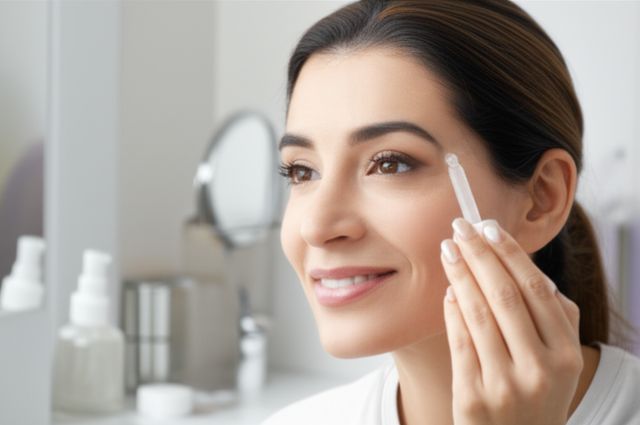
For women of color, especially Black and Latina women, our skin has some advantages. We typically have more melanin, which provides natural sun protection, and often have naturally higher collagen density. But we're not immune to collagen loss, and we face some unique challenges:
Hormonal changes hit differently – Perimenopause and menopause can accelerate collagen loss, especially around the jawline and cheeks
Stress takes a bigger toll – Chronic stress (hello, being everything to everyone) increases cortisol, which breaks down collagen faster
Skincare products aren't made for us – Many formulas are tested on lighter skin tones and can cause irritation or hyperpigmentation on darker skin
How This Shows Up in Real Life for Women 35-60
Collagen loss doesn't just mean wrinkles. It shows up in ways that affect how you feel about yourself every single day. You might notice your makeup doesn't sit the same way, or that you look tired even when you're not.
The Perimenopause Stack
If you're in perimenopause (which can start as early as your late 30s), you're getting hit with a double whammy. Declining estrogen directly impacts collagen production. You might notice your skin getting drier, thinner, or developing new lines around your mouth and eyes. This isn't about vanity – it's about feeling like yourself in your own skin.
Stress and Sleep: The Collagen Killers
Between work, kids, aging parents, and everything else on your plate, chronic stress is literally eating away at your collagen. Poor sleep makes it worse because that's when your skin does most of its repair work. If you're running on 5-6 hours of sleep regularly, your skin is paying the price.
For women juggling multiple responsibilities, targeted support can make a real difference. To explore a medically guided option for comprehensive wellness support, you can learn more about our Body Good program here: Learn more about this Body Good program.
Practical, Low-Lift Actions You Can Start Now
You don't need a 12-step routine or expensive treatments to support your skin's collagen. Here are three evidence-backed strategies that work for busy women:
Add a retinoid (the right way) – Start with an over-the-counter retinol 2-3 times per week at night. For darker skin tones, look for formulas with soothing ingredients like niacinamide to prevent irritation. Brands like Olay, Neutrogena, and CeraVe make affordable options that work well on melanin-rich skin.
Vitamin C in the morning, but make it gentle – Look for stable forms like magnesium ascorbyl phosphate instead of harsh L-ascorbic acid. Apply it under sunscreen every morning. This combo protects existing collagen while supporting new production.
Hydrate from the inside and outside – Drink water throughout the day (aim for half your body weight in ounces) and use a hyaluronic acid serum on damp skin. Your skin needs moisture to produce collagen effectively.

When It's Time to Get Extra Help
Sometimes at-home care isn't enough, and that's completely normal. There's no shame in wanting professional help – it's actually smart self-care. Consider getting professional support if:
You've been consistent with good skincare for 3-6 months and aren't seeing improvements, or you're dealing with significant changes during perimenopause or menopause that affect multiple areas of your wellbeing, not just your skin.
Professional treatments like prescription retinoids, professional peels designed for darker skin tones, or even minimally invasive procedures can be game-changers when done by providers who understand women of color's skin. The key is finding practitioners who have experience with melanin-rich skin and won't push treatments that could cause hyperpigmentation.
Remember, taking care of your skin is taking care of your overall health and confidence. If professional treatments fit your budget and goals, they're not vanity – they're wellness.
When you're ready for comprehensive support that addresses skin health as part of your overall wellbeing, you can learn more about our Body Good program here: Learn more about this Body Good program.
Bottom Line
Collagen loss is a normal part of aging, but it doesn't have to mean accepting skin that doesn't feel like yours. The key is understanding what's actually happening in your skin and choosing strategies that work with your life, not against it.
You don't need to spend hundreds of dollars or hours you don't have. Start with the basics – gentle retinoid, vitamin C, consistent moisture, and sun protection. Give it time to work. And remember, asking for professional help when you need it isn't giving up – it's taking control with the right tools for your goals and your life.
Ready to Start Your Weight Loss Journey?
Take our quiz to find the best program for you
Take the Quiz →
Keep reading

Peptides In Skincare For Firmness: Real Talk About What Actually Works for Women Over 35
Discover how peptides in skincare for firmness can help women 35+ fight sagging skin. Get dermatologist-backed tips for at-home care that actually work.

Vitamin C for Glowing Skin After 35: What Actually Works for Aging
Real talk on vitamin C for glowing skin after 35. Science-backed tips that actually work for busy women dealing with aging, dark spots, and dull skin.

Peptides for Skin Firmness: What Actually Works for Women Over 35
Dr. Linda Moleon breaks down how peptides for skin firmness really work, plus practical anti-aging skincare tips for busy women over 35.

What Actually Happens When You Start Losing Collagen in Your 30s (And What to Do About It)
Learn what collagen loss really means for Black and Latina women in their 30s and 40s, plus dermatologist-backed at-home tips that actually work.

Peptides In Skincare For Firmness: What Actually Works According to Dermatologists
Learn how peptides actually work for skin firmness and get dermatologist-backed at-home skincare tips that work for women of color over 35.

Vitamin C for Aging Skin: The Real Talk on Getting That Glow After 35
Real talk on vitamin C for aging skin. Learn how Black and Latina women 35+ can build an anti-aging skincare routine that actually works.