
How Poor Sleep Sabotages Your GLP-1 Results (And the Simple Fixes That Work)
You're doing everything right with your GLP-1 medication. You're eating smaller portions, you're not fighting cravings like before, and the scale was moving... until it wasn't. Now you're wondering if the medication stopped working, or worse – if you're somehow doing it wrong.
Here's what nobody tells you: poor sleep might be the invisible saboteur undermining your GLP-1 results. If you're getting less than 7 hours of quality sleep or tossing and turning all night, you're essentially fighting your medication instead of working with it.
Let's talk about what's really happening in your body when sleep goes sideways, and more importantly, the tiny shifts that can get your results back on track.
To explore how medical support can optimize your GLP-1 journey, you can learn more about our Body Good program here: Learn more about this Body Good program.

What's Actually Going On When You Don't Sleep
Your body runs on hormones, and sleep is when the magic happens. When you skimp on sleep, you're messing with the very hormones that help your GLP-1 medication do its job effectively.
Cortisol goes haywire: Poor sleep spikes your stress hormone, which tells your body to hold onto fat and crave sugar – the exact opposite of what you want.
Insulin resistance increases: Without enough sleep, your cells become less responsive to insulin, making weight loss harder even with GLP-1 support.
Hunger hormones get confused: Sleep deprivation cranks up ghrelin (your hunger hormone) and suppresses leptin (your fullness hormone), fighting against your medication's appetite control.
Think of it this way: your GLP-1 is trying to help you feel satisfied with less food, but poor sleep is screaming "I'm starving!" at the same time.
How This Shows Up in Real Life for Women Over 35
You know this cycle: You're exhausted, so you reach for that third cup of coffee. By 3 PM, you're crashing and craving something sweet, even though your GLP-1 usually keeps those cravings in check. You push through, but by evening you're too wired from caffeine to fall asleep easily.
The Perimenopause Sleep Stack
If you're in your 40s or 50s, you're dealing with a perfect storm. Dropping estrogen and progesterone already mess with your sleep, and now poor sleep is working against your weight loss medication. You might notice your GLP-1 isn't controlling appetite as well during certain times of your cycle, or that you're waking up at 3 AM thinking about work stress.
The Stress and Inflammation Connection
Poor sleep doesn't just make you tired – it creates low-grade inflammation throughout your body. This inflammation can actually interfere with how well your GLP-1 medication works. You might find that weeks when you sleep poorly, the scale doesn't budge, even though you're eating the same way.
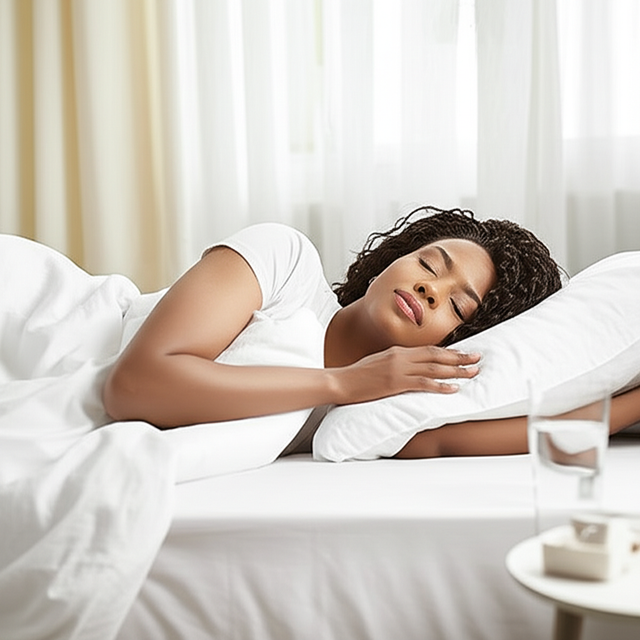
Practical, Low-Lift Actions You Can Start Tonight
You don't need a complete bedroom makeover or a rigid 10-step routine. Here are three realistic changes that busy women actually stick with:
Set a phone curfew 1 hour before bed: Put your phone in another room or switch it to airplane mode. The blue light messes with melatonin production, and scrolling through social media or emails spikes cortisol right when you need it to drop.
Keep your bedroom cold (65-68°F): Your body temperature needs to drop to trigger deep sleep. If you're waking up sweaty or can't get comfortable, your room is probably too warm. A small fan or adjusting the thermostat can make a huge difference.
Try the "brain dump" technique: Keep a notebook by your bed and spend 5 minutes writing down everything on your mind before you lie down. This gets the mental chatter out of your head so you're not lying there planning tomorrow's meetings or worrying about your teenager.
These aren't drastic changes, but they address the main sleep disruptors that interfere with your GLP-1 effectiveness.
When It's Time to Get Extra Help
Sometimes, despite your best efforts, sleep issues run deeper than lifestyle tweaks can fix. If you're consistently getting less than 6 hours of sleep, waking up multiple times per night, or feeling exhausted even after 8 hours in bed, it might be time for medical support.
This is especially true if you're dealing with perimenopause symptoms, anxiety, or sleep apnea. There's no shame in needing help with sleep – it's a medical issue, not a willpower problem. Hormone therapy, sleep aids, or treating underlying conditions can make the difference between your GLP-1 working okay and working optimally.
For comprehensive support that addresses sleep alongside your GLP-1 journey, you can explore our Body Good program here: read our guide on GLP-1 vs hormone therapy for midlife weight gain.
Bottom Line
Your GLP-1 medication is a powerful tool, but it works best when your body's other systems are supporting it, not fighting it. Poor sleep creates a cascade of hormonal chaos that can stall your results, even when you're doing everything else right.
The good news? Small, consistent changes to your sleep habits can amplify your medication's effectiveness without adding more to your already full plate. It's not about perfect sleep – it's about better sleep that lets your GLP-1 do what it's designed to do.
Ready to optimize your results with comprehensive support? You can learn more about our Body Good program here: Learn more about this Body Good program.
Keep reading

How to Prevent Ozempic Face: Real Prevention Tips That Actually Work
Learn evidence-based ways to prevent Ozempic face during GLP-1 weight loss. Practical skincare and lifestyle tips for women 35-60.

GLP-1 Hair Shedding: Why It Happens and What You Can Do About It
Experiencing hair loss on GLP-1 medications? Learn why GLP-1 hair shedding happens and get practical fixes to protect your scalp health.

GLP-1 Hair Loss: Why Weight Loss Medications Cause Hair Shedding and What to Do About It
Experiencing hair loss on GLP-1 medications? Learn why weight loss drugs cause hair shedding and get practical solutions for scalp health and regrowth.

GLP-1 Hair Shedding: Why Your Hair is Thinning and What You Can Do About It
Experiencing hair loss on GLP-1 weight loss medication? Learn why GLP-1 hair shedding happens and practical ways to support your scalp health.

GLP-1 vs Hormone Therapy for Midlife Weight Gain: Which One Actually Works?
Confused about GLP-1s vs hormone therapy for midlife weight gain? Dr. Linda breaks down what actually works for women 35-60.

GLP-1 vs Hormone Therapy: Which Path Works for Midlife Weight Gain?
Struggling with midlife weight gain? Compare GLP-1 medications vs hormone therapy options designed specifically for women 35-60. Get real answers.