How to Prevent Ozempic Face: Real Prevention Tips That Actually Work
Let's be honest - you've heard the horror stories about "Ozempic face," and now you're wondering if losing weight with GLP-1 medications means trading your curves for hollow cheeks. Here's the thing: facial volume loss during weight loss is real, but it's not inevitable.
If you're a woman between 35 and 60 considering or already on GLP-1s like Ozempic, Wegovy, or Zepbound, you deserve to know what's actually happening to your face and what you can do about it. This isn't about vanity - it's about feeling confident in your skin while you're transforming your health.
To explore a medically guided option that considers your whole wellness picture, you can learn more about our Body Good program here: Learn more about this Body Good program.
What's Actually Going On With Ozempic Face
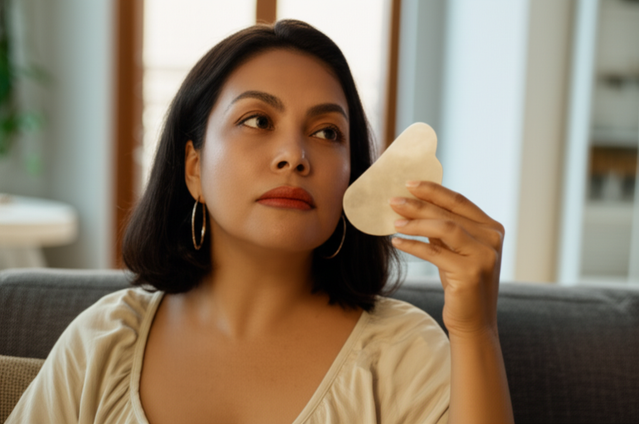
"Ozempic face" isn't a medical term - it's what people call the facial changes that can happen during rapid weight loss, whether from GLP-1 medications or other methods. When you lose weight quickly, you're not just losing fat from your belly and thighs. You're losing it from everywhere, including your face.
Your face has several fat pads that give it volume and structure. When these shrink faster than your skin can tighten, you get that hollow, aged look. Add in the fact that many women starting GLP-1s are already dealing with perimenopausal collagen loss, and you've got a perfect storm for facial changes.
- Rapid weight loss reduces facial fat pads faster than skin can adapt
- Collagen production naturally slows after age 35, especially during perimenopause
- Dehydration from appetite suppression can make skin look more gaunt
How This Shows Up in Real Life for Women 35-60
You might notice your face looking different in photos, or friends asking if you're feeling okay. Maybe your cheekbones are more prominent, but not in the good way. Your under-eyes might look more hollow, or your jawline less defined.
The Perimenopause Stack
If you're in your 40s or 50s, you're dealing with a double whammy. Estrogen decline is already messing with your collagen production, and now rapid weight loss is accelerating facial volume loss. This isn't your fault - it's biology. But understanding it helps you work with your body instead of against it.
The Confidence Hit
Here's what no one talks about: feeling great about your body weight but worried about your face creates a whole new kind of stress. You worked so hard to feel better in your clothes, and now you're second-guessing how you look in photos. This emotional rollercoaster is completely normal and valid.
Practical, Low-Lift Actions She Can Start Now
You don't need a 12-step Korean skincare routine or expensive procedures to support your skin during weight loss. These simple strategies can help maintain facial volume and skin quality:
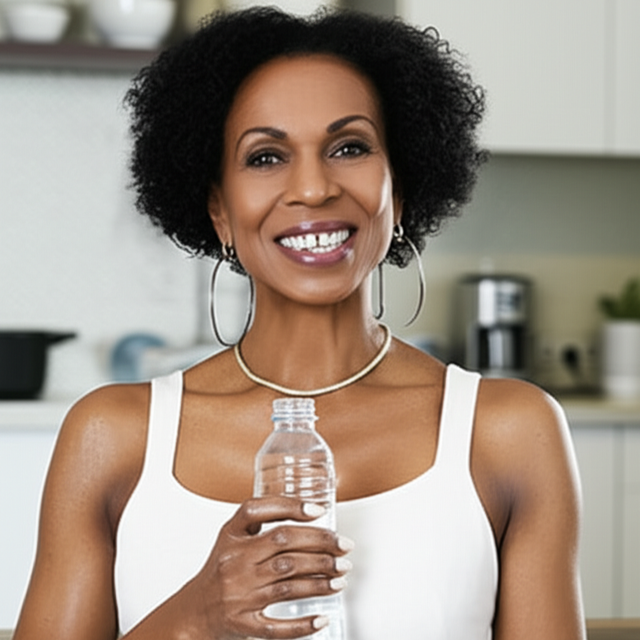
Prioritize protein and stay hydrated: Aim for at least 80-100g of protein daily to support collagen production, and drink water throughout the day even if your appetite is suppressed. Your skin cells need both to stay plump and healthy.
Use a good vitamin C serum and moisturizer: Vitamin C supports collagen synthesis, while a quality moisturizer with hyaluronic acid helps your skin retain water. Apply both morning and night - consistency beats fancy ingredients.
Consider facial massage or gua sha: Five minutes of gentle facial massage or gua sha can improve circulation and may help maintain muscle tone in your face. Do it while you're watching TV or during your morning routine.
To explore a medically guided option that includes skincare support alongside your weight management journey, you can learn more about our Body Good program here: Learn more about this Body Good program.
When It's Time to Get Extra Help
Sometimes DIY isn't enough, and that's okay. If you're losing weight rapidly (more than 2-3 pounds per week consistently) or already noticing significant facial changes, it might be time to consider additional support.
Professional options like dermal fillers, radiofrequency treatments, or prescription retinoids can help, but they work best when started early in your weight loss journey, not after the damage is done. A dermatologist or plastic surgeon who understands GLP-1 medications can help you create a plan that supports your skin while you're losing weight.
Remember: asking for professional help isn't admitting defeat. It's being smart about protecting your investment in yourself. You deserve to feel confident at every stage of your health journey.
Bottom Line
Ozempic face is real, but it's not inevitable. With the right approach - staying hydrated, supporting your skin barrier, and getting professional help when needed - you can lose weight without sacrificing your facial structure.
The most important thing? Don't let fear of facial changes stop you from pursuing the health improvements you want and deserve. Your wellbeing is bigger than any single side effect, and there are ways to minimize the risks while maximizing the benefits.
For comprehensive support that considers both your weight management goals and skin health, you can learn more about our Body Good program here: Learn more about this Body Good program.
Keep reading

How Poor Sleep Sabotages Your GLP-1 Results (And the Simple Fixes That Work)
Discover why poor sleep undermines GLP-1 weight loss and learn tiny habit shifts that boost your medication's effectiveness for better results.

GLP-1 Hair Shedding: Why It Happens and What You Can Do About It
Experiencing hair loss on GLP-1 medications? Learn why GLP-1 hair shedding happens and get practical fixes to protect your scalp health.

GLP-1 Hair Loss: Why Weight Loss Medications Cause Hair Shedding and What to Do About It
Experiencing hair loss on GLP-1 medications? Learn why weight loss drugs cause hair shedding and get practical solutions for scalp health and regrowth.

GLP-1 Hair Shedding: Why Your Hair is Thinning and What You Can Do About It
Experiencing hair loss on GLP-1 weight loss medication? Learn why GLP-1 hair shedding happens and practical ways to support your scalp health.

GLP-1 vs Hormone Therapy for Midlife Weight Gain: Which One Actually Works?
Confused about GLP-1s vs hormone therapy for midlife weight gain? Dr. Linda breaks down what actually works for women 35-60.

GLP-1 vs Hormone Therapy: Which Path Works for Midlife Weight Gain?
Struggling with midlife weight gain? Compare GLP-1 medications vs hormone therapy options designed specifically for women 35-60. Get real answers.