How to Prevent Ozempic Face: Real Solutions for Women on GLP-1s
Let's talk about the elephant in the room. You're seeing amazing results with your GLP-1 medication - the scale is moving, your clothes fit better, and your energy is coming back. But now you're hearing about "Ozempic face" and wondering if losing weight means losing your glow.
Here's the thing: facial volume loss during rapid weight loss is real, but it's not inevitable. And more importantly, there are things you can do about it right now.
To explore a medically guided approach to weight management that considers your whole health picture, you can learn more about our Body Good program here: Learn more about Body Good's comprehensive weight management program.

What's Actually Going On with Ozempic Face
"Ozempic face" isn't caused by the medication itself. It happens when you lose weight quickly - from any cause - and your facial fat pads shrink faster than your skin can adjust. Think of it like deflating a balloon slightly. The balloon itself is fine, but it looks different.
Here's what's happening in your face during rapid weight loss:
- Your facial fat pads (especially in your cheeks and temples) get smaller
- Your skin doesn't immediately bounce back to fit the new contours
- You might notice hollowing around your eyes, cheeks, or temples
This is biology, not a character flaw. And the good news? There are proven ways to minimize it.
How This Shows Up in Real Life for Women 35–60
You might be looking in the mirror thinking, "I'm finally losing weight, so why don't I look as good as I hoped?" Maybe your sister made a comment about you looking "tired," or you're noticing your makeup doesn't sit the same way.
The Perimenopause Stack
If you're in perimenopause, this gets trickier. You're already dealing with collagen loss and skin changes from dropping estrogen. Add rapid weight loss to the mix, and facial volume loss can be more noticeable. Your skin might feel thinner, and that full, youthful look might seem to disappear overnight.
The Stress and Sleep Factor
Stress and poor sleep make everything worse. When you're running on four hours of sleep and managing work, kids, and life, your skin repair slows down. Cortisol breaks down collagen, and without adequate rest, your body can't keep up with rebuilding what it's losing.
Practical, Low-Lift Actions She Can Start Now
You don't need a 12-step routine or expensive treatments to start protecting your facial volume. Here are three things you can do this week:
Slow down your weight loss slightly. If you're losing more than 2-3 pounds per week consistently, talk to your provider about adjusting your GLP-1 dose. Slower loss gives your skin time to adapt.
Add collagen support from the inside. Vitamin C (1000mg daily), bone broth, or a quality collagen supplement can help your body maintain skin structure. Your morning coffee with collagen powder counts.
Upgrade your face routine with retinoids. A gentle retinoid cream 2-3 times per week stimulates collagen production. Start slow - your skin needs time to adjust, especially if you're over 40.
For comprehensive support during your weight loss journey, including guidance on maintaining skin health, you can explore our Body Good program here: Learn more about Body Good's holistic approach to weight management.
When It's Time to Get Extra Help
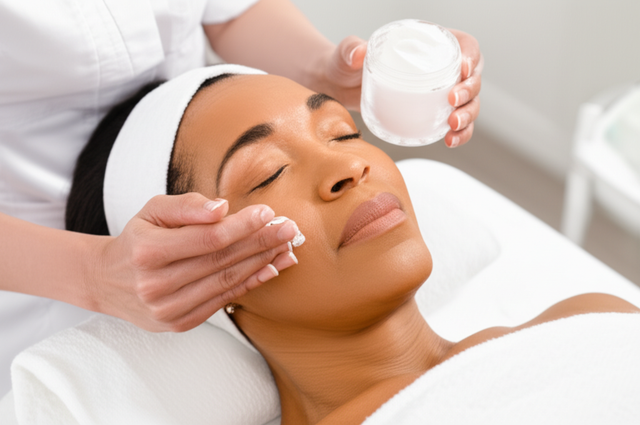
Sometimes DIY isn't enough, and that's perfectly normal. If you're noticing significant facial volume loss despite your best efforts, it might be time for professional help.
Consider talking to a dermatologist or aesthetic provider if you're experiencing hollow temples, sunken cheeks, or if people keep asking if you're feeling okay. Treatments like dermal fillers, microneedling, or professional-grade skincare can make a real difference.
And here's what nobody tells you: asking for help isn't cheating. You're not being vain. Taking care of how you look is part of taking care of your health and confidence.
If you're dealing with multiple perimenopause symptoms alongside weight management, hormone optimization might be worth exploring too. Many women find that balancing hormones helps with skin quality, energy, and overall well-being during weight loss.
To get personalized guidance that addresses your unique needs during weight management, including skin health support, you can learn more about our Body Good program here: Discover Body Good's comprehensive wellness approach.
Bottom Line
Ozempic face is real, but it's not a life sentence. Your face changing during weight loss doesn't mean you made the wrong choice - it means your body is doing exactly what you asked it to do.
The key is being proactive about skin health from day one of your weight loss journey, not waiting until you notice changes. With the right approach - slower weight loss, good skincare, and professional help when needed - you can lose the weight and keep the glow.
Ready to Start Your Weight Loss Journey?
Take our quiz to find the best program for you
Take the Quiz →
Keep reading
Tirzepatide Dose: How Dosing Works for Weight Loss
Tirzepatide dosing starts low and increases gradually over months. Here's exactly how the dose schedule works, what to expect at each level, and how clinicians adjust your protocol.
Semaglutide Cost With Insurance: 2024 Coverage Guide
Wondering what semaglutide actually costs with your insurance? We break down copays, prior authorization, eligibility rules, and how to navigate coverage in 2024.
GLP-1: The Complete Guide to How These Medications Work
GLP-1 medications have transformed medical weight loss. Here's exactly how they work, what to expect, and whether they're right for you — from mechanism of action to real-world results.
Oral Maintenance Options After GLP-1s
Transitioning off GLP-1 medications doesn't mean your progress has to stop. Learn about oral maintenance options that may help support healthy weight management and long-term success with Body Good Studio.
Maintenance Dosing vs Stopping GLP-1s: Which Is Right for You?
Should you continue maintenance dosing or stop GLP-1 treatment after reaching your weight goals? This blog explores the benefits, risks, and key factors to help you choose the best long-term approach with guidance from Body Good Studio.
What Causes Regain and How to Prevent It
Weight regain can happen for many reasons, from metabolic changes to lifestyle habits after losing weight. This blog explains the common causes and shares practical, science-backed strategies to help maintain long-term results with Body Good Studio.