
NAD+ For Recovery From Stress And Overwork: What Every Exhausted Woman Needs to Know
Let's be honest – you're running on fumes. Between work demands, family responsibilities, and trying to keep yourself together, you're operating at 30% battery most days. You've tried the coffee, the supplements, the "just get more sleep" advice. But here's the thing: your exhaustion might be happening at a cellular level that no amount of willpower can fix.
If you're a woman in your 30s, 40s, or 50s feeling like stress and overwork have hijacked your energy, you're not imagining it. Your body's natural recovery systems are probably struggling to keep up, and there's actual science behind why you feel so drained.
This article breaks down how NAD+ – a molecule your cells desperately need for energy and recovery – could be the missing piece in your fight against chronic exhaustion. No miracle promises, just real talk about what's happening in your body and what you can actually do about it.
Ready to explore a science-backed approach to cellular energy? Learn more about our NAD+ program here.
What's Actually Going On: The Science Behind Your Exhaustion
NAD+ (nicotinamide adenine dinucleotide) is like your cellular battery charger. Every cell in your body needs it to produce energy, repair DNA damage from stress, and literally bounce back from the daily grind. Think of it as the fuel that keeps your cellular engines running smoothly.
Here's what happens when you're chronically stressed and overworked:
Your NAD+ levels plummet: Stress, poor sleep, and constant demands drain this crucial molecule faster than your body can make it
Energy production crashes: Without enough NAD+, your mitochondria (cellular powerhouses) can't generate the energy you need
Recovery slows down: Your cells struggle to repair daily damage, leaving you feeling worn down and sluggish
This isn't about being "weak" or lacking discipline. Your body is literally running low on the molecular tools it needs to function optimally.
How This Shows Up in Real Life for Women 35-60
You know that feeling when you wake up already tired? When even your morning coffee doesn't hit the same? When you're mentally foggy during important meetings or can't find the energy to engage with your kids after work? That's what cellular energy depletion looks like in real life.
The Perimenopause Energy Stack
If you're in perimenopause or menopause, you're dealing with a perfect storm. Declining estrogen affects how efficiently your cells use energy, while fluctuating hormones increase stress on your system. NAD+ levels naturally decline with age anyway, so you're fighting multiple battles at once. It's not in your head – your body is working harder to maintain the same energy levels.
The Stress and Sleep Spiral
Chronic stress depletes NAD+ faster than your body can replenish it. Poor sleep – whether from stress, hormones, or life demands – prevents your body from naturally restoring NAD+ levels overnight. You wake up already behind, and the cycle continues. Your nervous system stays in overdrive, using up more NAD+ just to cope with daily stressors.

Practical, Low-Lift Actions You Can Start Now
You don't need to overhaul your entire life to support your cellular energy. Here are three realistic steps that busy women can actually implement:
Try intermittent fasting (even mini-fasts): Even a 12-hour eating window (like 7 PM to 7 AM) can help boost your body's natural NAD+ production. Start with what feels manageable – this isn't about perfection.
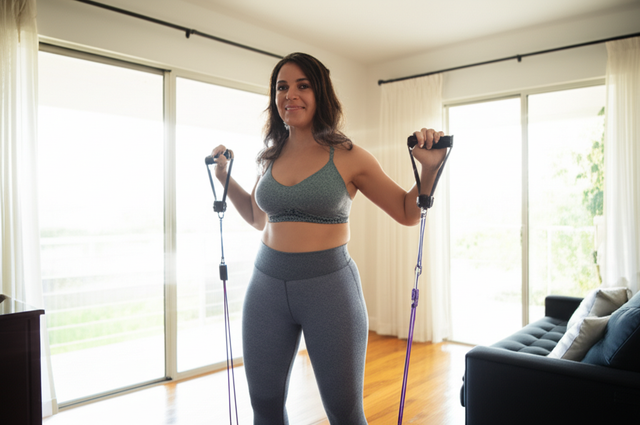
Add resistance exercises to your routine: You don't need hour-long gym sessions. Ten minutes of bodyweight exercises or resistance bands 3x per week can help maintain NAD+ levels. Think squats while your coffee brews or wall push-ups during work breaks.
Prioritize deep sleep over more sleep: Focus on sleep quality, not just quantity. Keep your room cool, limit screens an hour before bed, and consider magnesium supplementation. Your body restores NAD+ most efficiently during deep sleep phases.
Looking for more comprehensive support for your cellular energy? Explore our medically-guided NAD+ program designed specifically for women dealing with stress and energy challenges.
When It's Time to Get Extra Help
Sometimes lifestyle changes aren't enough – and that's completely normal. If you've tried the basics and still feel like you're dragging through your days, it might be time to consider medical support for NAD+ restoration.
NAD+ injections or IV treatments can help rapidly restore cellular energy levels when your body can't keep up on its own. This isn't "cheating" or taking shortcuts – it's giving your cells the tools they need to function properly. Many women find that medical NAD+ support helps them get back to baseline energy levels, making it easier to maintain healthy habits long-term.
Consider professional help if you're experiencing persistent fatigue despite adequate sleep, brain fog that interferes with work or daily tasks, or if stress recovery takes much longer than it used to. A healthcare provider familiar with cellular energy support can help determine if NAD+ therapy might be beneficial for your specific situation.
Ready to take control of your cellular energy? Learn about our comprehensive NAD+ program here and see how medical support can complement your wellness efforts.
Bottom Line
Your exhaustion isn't a personal failing – it's often a sign that your cellular energy systems need support. NAD+ for recovery from stress and overwork addresses the root cause of fatigue at the molecular level, not just the symptoms.
Whether you start with lifestyle changes or explore medical NAD+ support, the key is recognizing that chronic exhaustion has real biological causes. You deserve to feel energized and resilient, not just survive each day. It's time to give your cells the support they need to help you thrive again.
Ready to Start Your Weight Loss Journey?
Take our quiz to find the best program for you
Take the Quiz →
Keep reading

NAD+ for Women Over 40: The Cellular Energy Secret That Actually Works
Discover how NAD+ supports cellular energy, metabolism, and healthy aging for women 40+. Science-backed strategies to fight fatigue naturally.

NAD+ and Metabolism: What Women Really Need to Know About This Cellular Energy Booster
Honest breakdown of NAD+ and metabolism for women 35-60. What the science actually says vs. what you're being sold online.

NAD+ for Cellular Energy: Why Women Over 35 Are Finally Getting Answers About Their Fatigue
Discover how NAD+ supports cellular energy production and why women over 35 are turning to this science-backed approach for fatigue and low energy.
Oral Maintenance Options After GLP-1s
Transitioning off GLP-1 medications doesn't mean your progress has to stop. Learn about oral maintenance options that may help support healthy weight management and long-term success with Body Good Studio.
Maintenance Dosing vs Stopping GLP-1s: Which Is Right for You?
Should you continue maintenance dosing or stop GLP-1 treatment after reaching your weight goals? This blog explores the benefits, risks, and key factors to help you choose the best long-term approach with guidance from Body Good Studio.
What Causes Regain and How to Prevent It
Weight regain can happen for many reasons, from metabolic changes to lifestyle habits after losing weight. This blog explains the common causes and shares practical, science-backed strategies to help maintain long-term results with Body Good Studio.