
Peptide Serums for Hair Growth: Why Your Hair Is Thinning and What Actually Works
Let's be honest – seeing more hair in your brush than on your head is terrifying. You're googling "peptide serums for hair growth" at 2 AM because that ponytail is getting thinner and you're tired of people suggesting you just "eat more protein."
Here's the thing: hair loss for women in their 35s, 40s, and 50s isn't about not trying hard enough. It's about hormones, stress, and your scalp literally changing how it works. And yes, there are real solutions that go beyond expensive shampoos that promise miracles.
This article will break down what's actually happening to your hair, how peptide serums work, and the lifestyle changes that can support real regrowth. No fluff, just facts.
To explore a medically guided option for hair restoration, you can learn more about our Body Good program here: Learn more about this Body Good hair growth program.
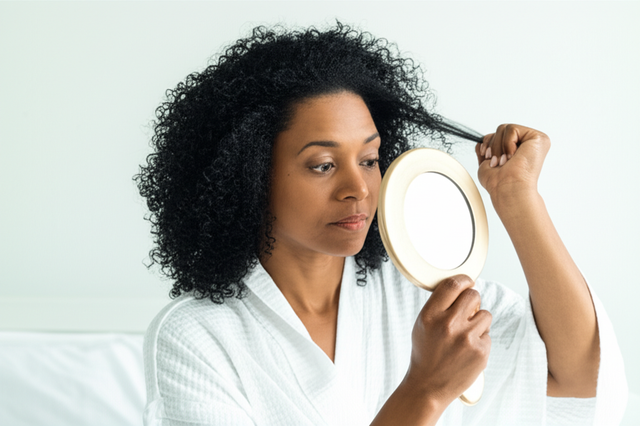
What's Actually Going On With Your Hair
Your hair follicles are basically tiny factories, and after 35, several things start messing with production. Here's what's really happening:
Hormonal shifts: Estrogen (which helps hair grow) starts declining while androgens (which can shrink follicles) stay steady or even increase
Scalp circulation changes: Blood flow to your scalp decreases, meaning fewer nutrients reach your hair follicles
Protein production slows down: Your body makes less of the specific proteins and peptides that signal hair follicles to keep growing
This isn't about genetics being your "destiny." It's about your body's systems shifting, and there are ways to work with these changes instead of against them.
How This Shows Up in Real Life for Women 35-60
You probably first noticed it wasn't just "seasonal shedding." Maybe your part looks wider in photos, or you can see more scalp when you put your hair up. The ponytail holder goes around three times instead of two.
The Perimenopause Stack
If you're in your 40s, perimenopause is likely playing a major role. Estrogen fluctuations don't just mess with your periods – they directly affect hair growth cycles. You might notice your hair feels different too: drier, more brittle, or just not as "bouncy" as it used to be.
Stress and Sleep – The Hair Killers
Managing kids, career, aging parents, and your own health changes creates chronic stress. When your cortisol stays elevated, it literally tells your hair follicles to go into "survival mode" and stop growing. Add poor sleep (hello, 3 AM anxiety spirals), and you've got a perfect storm for hair loss.
Practical, Low-Lift Actions You Can Start Now
Before we talk about peptide serums, here are three things you can do this week that actually move the needle:
Scalp massage with intention: Spend 2-3 minutes daily massaging your scalp with your fingertips. This isn't just relaxing – it increases blood flow to follicles. Do it while you're watching TV or before bed.
Protein timing that matters: Aim for 25-30g of protein at breakfast. Your hair follicles need amino acids to make keratin, and getting protein early helps your body prioritize hair growth over the day.
The 10-minute stress reset: Find one 10-minute daily practice that actually lowers your cortisol. This could be deep breathing, a short walk, or even just sitting outside. Consistency beats intensity here.
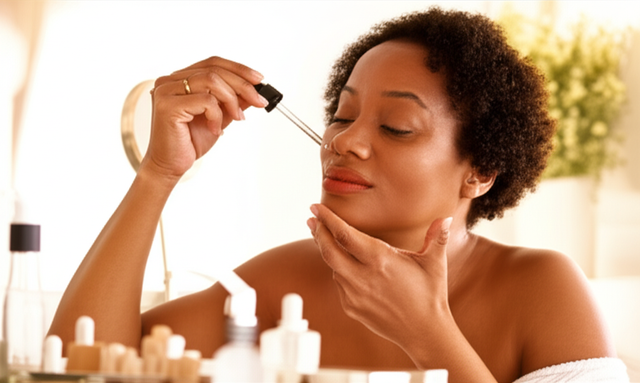
When It's Time to Get Extra Help
DIY approaches work for some women, but if you've been dealing with significant thinning for more than 6 months, it's time to consider medical-grade options. This includes peptide serums for hair growth, which work by delivering specific amino acid sequences directly to your scalp.
Peptide serums can help by:
- Stimulating dormant hair follicles to restart growth cycles
- Improving scalp circulation and nutrient delivery
- Supporting the cellular processes that create stronger, thicker hair
The key is finding formulations that are actually concentrated enough to make a difference, not just expensive water with marketing claims.
To explore a medically guided option that combines peptide therapy with personalized hair restoration protocols, you can learn more about our Body Good program here: Learn more about this Body Good hair restoration approach.
Asking for help isn't "cheating" or admitting defeat. It's recognizing that your body's needs have changed, and you deserve solutions that actually work for this stage of your life.
Bottom Line
Your thinning hair isn't a character flaw or something you should just accept. It's your body responding to real hormonal and physiological changes that happen to most women after 35.
Peptide serums for hair growth can be part of an effective approach, especially when combined with the right lifestyle supports and professional guidance. You don't have to choose between expensive treatments that don't work and just "accepting" hair loss as inevitable.
Ready to take a comprehensive approach to hair restoration? Explore our Body Good hair growth program to see how medical-grade peptide therapy could work for your specific situation.
Keep reading

Traction Alopecia from Protective Styles: What Every Black Woman Needs to Know
Learn how protective styles can cause traction alopecia and discover science-backed ways to protect your hairline while maintaining your cultural styling practices.

Peptide Serum for Hair Growth: What Actually Works for Women Over 35
Discover how peptide serums support hair growth for women 35+. Learn what works, why hair changes with age, and practical tips to strengthen your strands.
Oral Maintenance Options After GLP-1s
Transitioning off GLP-1 medications doesn't mean your progress has to stop. Learn about oral maintenance options that may help support healthy weight management and long-term success with Body Good Studio.
Maintenance Dosing vs Stopping GLP-1s: Which Is Right for You?
Should you continue maintenance dosing or stop GLP-1 treatment after reaching your weight goals? This blog explores the benefits, risks, and key factors to help you choose the best long-term approach with guidance from Body Good Studio.
What Causes Regain and How to Prevent It
Weight regain can happen for many reasons, from metabolic changes to lifestyle habits after losing weight. This blog explains the common causes and shares practical, science-backed strategies to help maintain long-term results with Body Good Studio.
Stopping GLP-1s and Keeping Weight Off: Step-Down Plans, Maintenance Dosing, and Metabolic Support
Stopping GLP-1 medications does not have to mean regaining weight. This blog explores effective step-down strategies, maintenance dosing options, and metabolic support solutions that can help sustain long-term weight loss results. Learn how lifestyle habits, targeted supplements, and wellness injections may support metabolism, appetite control, and overall wellness after GLP-1 treatment. Discover practical approaches to maintaining your progress and achieving lasting weight management success.