
Postpartum Hair Loss in Black Women: Why It Happens & What Actually Helps
Let's be honest – nobody prepared you for this part of motherhood. You're already dealing with sleepless nights, a completely different body, and now your hair is falling out in clumps. And if you're a Black woman, you're probably wondering why it feels like your experience is so different from what you're seeing in those generic postpartum articles.
Here's the thing: postpartum hair loss does hit Black women differently, and it's not just in your head. Between our unique hair structure, styling practices, and how hormones affect our follicles, we need real talk and real solutions – not the same old advice that doesn't work for us.
To explore a medically guided option for hair regrowth, you can learn more about our Body Good peptide hair growth program here: Learn more about this Body Good hair growth program.
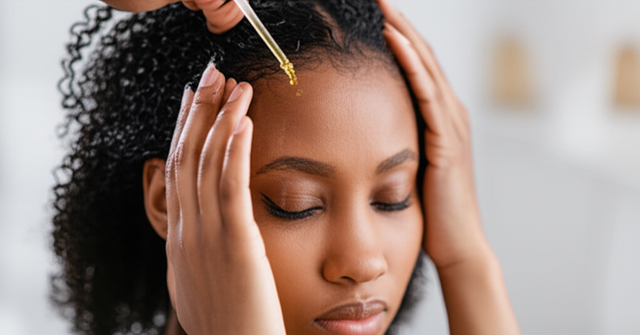
What's Actually Going On With Your Hair
During pregnancy, your estrogen levels skyrocket. This hormone basically puts your hair follicles on pause – meaning hair that would normally shed just... doesn't. That's why many women get that thick, luscious pregnancy hair everyone talks about.
But after delivery? Those estrogen levels crash hard and fast. All that hair that was hanging on for dear life during pregnancy suddenly gets the memo to fall out – all at once. This process, called telogen effluvium, typically peaks around 3-4 months postpartum.
For Black women specifically, this creates a perfect storm:
- Our hair follicles are naturally more fragile due to the curved structure of our hair shaft
- Protective styling and chemical treatments may have already stressed our follicles
- Lower baseline estrogen levels in Black women can make the hormonal crash feel more dramatic
How This Shows Up in Real Life for Women Like Us
If you're reading this, you're probably seeing more hair in your shower drain, on your pillowcase, or wrapped around your baby's tiny fingers. But postpartum hair loss in Black women often looks different than what you see in stock photos or mainstream articles.
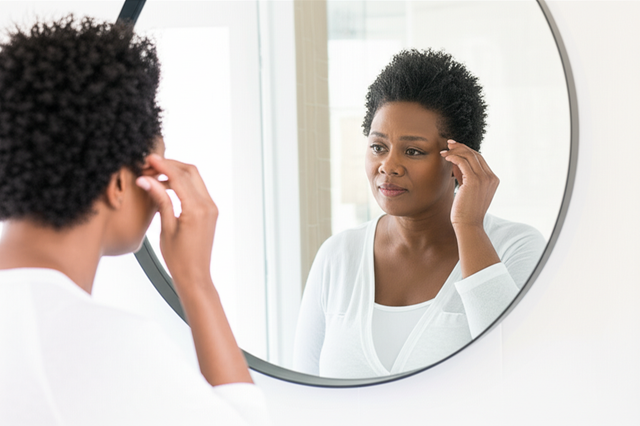
The Edges and Crown Crisis
Your edges might be practically nonexistent, and that crown area where you part your hair? Looking a little too spacious. This is especially common because these areas already experience the most tension from styling and are often the first to show stress. The hormonal changes just amplify what might have already been happening.
The Texture Plot Twist
Many Black women notice their hair growing back with a completely different texture – sometimes curlier, sometimes straighter, often more fragile than before. This isn't unusual, but it can feel like you're starting over with your entire hair routine. Your go-to products might not work the same way, and protective styles that used to be no problem might now cause breakage.
For comprehensive support during this transition, consider exploring our Body Good approach: Learn more about this Body Good hair growth program.
Practical, Low-Lift Actions You Can Start Now
You don't need a complete hair overhaul or expensive treatments to start supporting your hair recovery. Here are three realistic steps that actually work:
Gentle cleansing schedule: Wash your hair only 1-2 times per week with sulfate-free shampoo. Your scalp is already stressed – don't add to it with harsh cleansing. Focus on your scalp, not the length of your hair.
Protein-moisture balance: Alternate between protein treatments (once every 2 weeks) and deep moisturizing treatments (weekly). Postpartum hair often needs both strength and hydration to recover properly.
Stress your edges less: Skip tight ponytails, headbands, and edge control for now. Use silk or satin pillowcases and hair wraps. Your follicles need a break from tension to recover.
When It's Time to Get Extra Help
Here's what many healthcare providers don't tell you: sometimes your hair doesn't just bounce back on its own, especially if you're dealing with other postpartum challenges like thyroid issues, iron deficiency, or ongoing stress.
Consider getting professional help if:
Your hair loss continues past 8-10 months postpartum, you're seeing bald patches rather than general thinning, or your hair seems to be getting worse instead of better. This isn't about vanity – it's about your overall health and well-being.
Medical interventions like peptide therapy, targeted nutritional support, or hormone balancing can make a real difference when lifestyle changes aren't enough. There's no shame in getting help that works.
If you're ready to explore a science-backed approach to hair regrowth, our Body Good program combines medical expertise with real understanding of what Black women need: Learn more about this Body Good hair growth program.
Bottom Line
Postpartum hair loss is real, it's temporary for most women, but it doesn't have to be something you just suffer through. Your hair will likely recover, but you deserve support during this process – especially support that actually understands your specific needs as a Black woman.
This isn't about perfection or getting back to exactly how things were before. It's about giving your body the tools it needs to heal and thrive during this major life transition. You're not being dramatic, you're not being vain – you're being human.
Keep reading

The Real Truth About Sunscreen for Melanin-Rich Skin: What Black and Latina Women Actually Need to Know
Get the truth about sunscreen for melanin-rich skin. No myths, just science-backed advice for Black and Latina women from Dr. Linda Moleon.

Postpartum Hair Loss in Black Women: Real Talk About Your Scalp, Hormones, and What Actually Helps
Postpartum hair loss hitting different? Here's the real deal on what's happening to your scalp, why hormones are the culprit, and lifestyle fixes that work.

GLP-1 for Black Women: A Real Solution for Weight Loss and Blood Pressure Management
Discover how GLP-1 medications can help Black women manage weight and high blood pressure safely. Get the facts on semaglutide and culturally competent care.
Oral Maintenance Options After GLP-1s
Transitioning off GLP-1 medications doesn't mean your progress has to stop. Learn about oral maintenance options that may help support healthy weight management and long-term success with Body Good Studio.
Maintenance Dosing vs Stopping GLP-1s: Which Is Right for You?
Should you continue maintenance dosing or stop GLP-1 treatment after reaching your weight goals? This blog explores the benefits, risks, and key factors to help you choose the best long-term approach with guidance from Body Good Studio.
What Causes Regain and How to Prevent It
Weight regain can happen for many reasons, from metabolic changes to lifestyle habits after losing weight. This blog explains the common causes and shares practical, science-backed strategies to help maintain long-term results with Body Good Studio.