
The Real Truth About Sunscreen for Melanin-Rich Skin: What Black and Latina Women Actually Need to Know
Let's be honest – you've probably heard conflicting advice about sunscreen for melanin-rich skin your whole life. Maybe your mom told you "we don't need sunscreen," or you've struggled to find products that don't leave that dreaded white cast. Here's the thing: the skincare industry has failed women of color for decades, and it's time for some real talk.
As Black and Latina women in our 30s, 40s, and beyond, we're dealing with enough – perimenopause, stress, career demands, family responsibilities. The last thing we need is confusing, outdated advice about protecting our skin. This article cuts through the noise to give you the actual science about sunscreen for melanin-rich skin, plus practical steps you can take starting today.
To explore comprehensive skincare solutions designed for women of color, you can learn more about our Body Good program here: Learn more about Body Good's skincare approach.
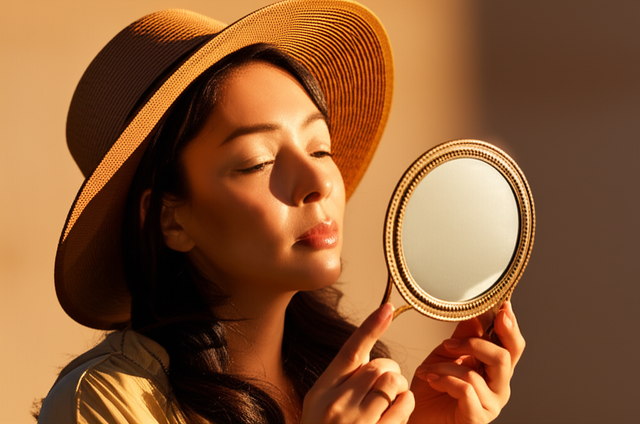
What's Actually Going On: The Science of Melanin and Sun Protection
Your melanin does provide some natural sun protection – that part isn't a myth. Think of it like having a built-in SPF of about 4-13, depending on your skin tone. But here's what the beauty industry didn't tell you for years: that's not nearly enough protection against UV damage, especially as we age.
Here are the key facts about melanin-rich skin and sun exposure:
You can still get sun damage – it just shows up differently than on lighter skin, often as dark spots, uneven tone, or premature aging
UV rays break down collagen regardless of your melanin content, leading to fine lines and sagging over time
Skin cancer risk is real – while lower than for lighter skin tones, it's often diagnosed later and in more dangerous locations like palms and soles
The bottom line? Your beautiful melanin gives you some protection, but it's not a force field.
How Sun Damage Shows Up in Real Life for Women 35-60
Unlike our white counterparts who might get obvious sunburns, sun damage on melanin-rich skin is sneaky. It builds up over years and shows up in ways that might surprise you.
The Hyperpigmentation Struggle
Those dark spots that seem to appear out of nowhere? Sun exposure makes them worse. Whether it's melasma from hormonal changes, acne scars that won't fade, or new dark patches, UV rays are often the culprit behind stubborn hyperpigmentation that skincare products alone can't touch.
The Aging Factor You're Not Seeing Yet
In our 30s and 40s, we might think we're "aging well" compared to our lighter-skinned friends. But cumulative sun damage is working behind the scenes, breaking down the collagen and elastin that keeps our skin firm and smooth. By the time we notice it in our 50s and 60s, the damage has been building for decades.

Practical, Low-Lift Actions You Can Start Now
No need to overhaul your entire routine or spend hundreds on products. Here are three realistic changes that actually make a difference:
Find ONE sunscreen that doesn't suck – Look for "tinted" or "universal tint" formulas, zinc oxide or titanium dioxide-based products, or brands specifically made for deeper skin tones. Test it on your jawline first. When you find one that works, stick with it.
Make it a morning habit, not a beach thing – Apply sunscreen to your face, neck, and any exposed areas every morning, even if you're just going to the office or running errands. UV rays don't care about your schedule.
Reapply the smart way – Keep a powder sunscreen or tinted SPF in your purse for touch-ups over makeup. Even once during the day makes a difference for those long commutes or lunch meetings outside.
The goal isn't perfection – it's protection that actually fits into your real life.
For personalized skincare guidance that considers your unique needs as a woman of color, explore our Body Good program here: Get personalized skincare support.
When It's Time to Get Extra Help
Sometimes DIY skincare isn't enough, especially when you're dealing with hormonal changes, stubborn hyperpigmentation, or signs of aging that over-the-counter products can't touch. This is especially true for women in perimenopause and beyond, when hormonal shifts can make skin issues more complex.
Professional help makes sense when:
You've been consistent with sunscreen and good skincare for months but still see dark spots getting worse, your skin tone is becoming increasingly uneven, or you're noticing texture changes and fine lines that bother you. There's also the factor of time – as busy women juggling careers, families, and everything else, sometimes you need solutions that work faster and more effectively than drugstore products.
Getting professional skincare support isn't about vanity or "giving up." It's about having access to prescription-strength treatments, medical-grade products, and guidance from providers who understand how hormones, stress, and aging affect melanin-rich skin specifically.
To explore medically-guided skincare options designed for women like you, learn more about our Body Good program here: Explore Body Good's medical skincare approach.
Bottom Line
Your melanin is beautiful and provides some natural protection, but it's not enough on its own – especially as we navigate the hormonal changes and skin challenges that come with being women in our 30s, 40s, and beyond. The skincare industry has failed women of color for too long with products that don't work for us and advice that ignores our unique needs.
Sun protection isn't about fear or buying into beauty standards that don't serve us. It's about taking care of the skin you're in so it looks and feels good for years to come. Start small, be consistent, and remember that asking for professional help when you need it isn't weakness – it's wisdom.
Ready to Start Your Weight Loss Journey?
Take our quiz to find the best program for you
Take the Quiz →
Keep reading

Postpartum Hair Loss in Black Women: Real Talk About Your Scalp, Hormones, and What Actually Helps
Postpartum hair loss hitting different? Here's the real deal on what's happening to your scalp, why hormones are the culprit, and lifestyle fixes that work.

Postpartum Hair Loss in Black Women: Why It Happens & What Actually Helps
Postpartum hair loss hitting different? Get the real talk on why Black women experience unique challenges and evidence-based solutions that actually work.

GLP-1 for Black Women: A Real Solution for Weight Loss and Blood Pressure Management
Discover how GLP-1 medications can help Black women manage weight and high blood pressure safely. Get the facts on semaglutide and culturally competent care.
Oral Maintenance Options After GLP-1s
Transitioning off GLP-1 medications doesn't mean your progress has to stop. Learn about oral maintenance options that may help support healthy weight management and long-term success with Body Good Studio.
Maintenance Dosing vs Stopping GLP-1s: Which Is Right for You?
Should you continue maintenance dosing or stop GLP-1 treatment after reaching your weight goals? This blog explores the benefits, risks, and key factors to help you choose the best long-term approach with guidance from Body Good Studio.
What Causes Regain and How to Prevent It
Weight regain can happen for many reasons, from metabolic changes to lifestyle habits after losing weight. This blog explains the common causes and shares practical, science-backed strategies to help maintain long-term results with Body Good Studio.