
Sunscreen And Melanin Rich Skin — Dermatologist-Backed Tips for At-Home Care
Let's be honest — finding the right sunscreen for melanin rich skin has been a frustrating game of trial and error for too many of us. You've probably heard everything from "Black don't crack" to "you don't need sunscreen" to finding products that leave you looking ashy or feeling greasy.
Here's the thing: your beautiful melanin does provide some natural protection, but it's not a free pass to skip sun care entirely. And at 35+, when you're dealing with hormonal changes, stress, and everything else life throws at you, protecting your skin becomes even more important.
This article will give you the real, dermatologist-backed truth about sunscreen and melanin rich skin, plus practical tips you can actually use in your busy life. To explore a medically guided option for comprehensive skincare support, you can learn more about our Body Good program here: Learn more about Body Good's skincare solutions.
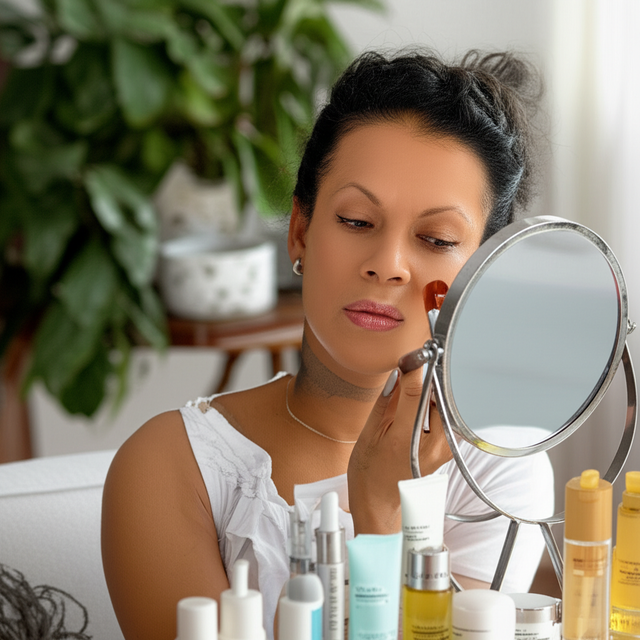
What's Actually Going On With Melanin and Sun Protection
Your melanin is like having a built-in SPF of about 13-4 — which is better than nothing, but nowhere near the SPF 30+ dermatologists recommend for daily protection. Think of melanin as your body's first line of defense, not your only defense.
Here's what's really happening:
UV damage is still occurring — even if you don't burn easily, UV rays are still penetrating your skin and causing cellular damage that leads to premature aging, dark spots, and yes, even skin cancer
Hyperpigmentation is your biggest enemy — melanin-rich skin is more prone to developing dark spots and uneven tone when exposed to UV without proper protection
The aging process accelerates — especially during perimenopause when estrogen drops, making your skin more vulnerable to environmental damage
How Sun Damage Shows Up in Real Life for Women 35-60
Maybe you've noticed new dark spots appearing after that beach vacation, or your melasma got worse during pregnancy and never fully faded. Perhaps you're seeing more uneven skin tone around your temples or upper lip area.
The Perimenopause Factor
When your hormones start shifting in your late 30s and 40s, your skin becomes more sensitive to everything — including sun damage. That spot that used to fade in a few weeks now sticks around for months. Your skin might also be drier, making it harder to find a sunscreen that doesn't feel uncomfortable.
The Daily Reality Check
You're juggling work, family, and everything else. The last thing you want is another complicated skincare step that leaves you looking chalky or takes forever to blend in. But skipping sun protection means dealing with more dark spots, uneven tone, and premature aging down the road.

Practical, Low-Lift Actions You Can Start Now
Here are three realistic changes that actually work for busy women with melanin-rich skin:
Choose mineral sunscreens with zinc oxide or titanium dioxide in tinted formulas — Look for brands specifically made for deeper skin tones. These blend better and don't leave that white cast. Apply a nickel-sized amount to your face and neck every morning, even if you're staying inside.
Layer your protection — Use a moisturizer with SPF 15-30 as your base, then add a dedicated sunscreen on days when you'll be outside longer. This approach is more forgiving if you're in a rush and gives you better overall coverage.
Reapply with powder or stick formulas — Keep a powder sunscreen or sunscreen stick in your purse for touch-ups over makeup. Focus on your cheekbones, nose, and forehead where the sun hits first.
When It's Time to Get Extra Help
DIY sunscreen routine not cutting it? Here's when it makes sense to get professional support:
If you're dealing with stubborn melasma, post-inflammatory hyperpigmentation, or hormonal skin changes that aren't responding to over-the-counter products, a dermatologist or qualified skincare professional can prescribe stronger treatments like hydroquinone, tretinoin, or professional chemical peels.
Sometimes the issue isn't just what you're putting on your skin — it's what's happening inside your body. Hormonal imbalances, insulin resistance, and chronic stress all affect how your skin responds to damage and heals itself. Getting these underlying issues addressed can make your topical skincare routine much more effective.
To explore comprehensive skincare support that addresses both internal and external factors, you can learn more about our Body Good approach here: Discover Body Good's holistic skincare solutions.
Bottom Line
Your melanin is beautiful and provides some protection, but it's not enough on its own — especially as you navigate hormonal changes in your 35+ years. The right sunscreen routine doesn't have to be complicated or leave you looking ashy.
This isn't about perfect skin or following complicated 10-step routines. It's about protecting the skin you're in so you can age gracefully and confidently. Start with one small change and build from there. For additional support in creating a comprehensive approach to healthy, glowing skin from the inside out, you can learn more about our Body Good program here: Explore Body Good's complete wellness approach.
Ready to Start Your Weight Loss Journey?
Take our quiz to find the best program for you
Take the Quiz →
Keep reading
Tirzepatide Dose: How Dosing Works for Weight Loss
Tirzepatide dosing starts low and increases gradually over months. Here's exactly how the dose schedule works, what to expect at each level, and how clinicians adjust your protocol.
Semaglutide Cost With Insurance: 2024 Coverage Guide
Wondering what semaglutide actually costs with your insurance? We break down copays, prior authorization, eligibility rules, and how to navigate coverage in 2024.
GLP-1: The Complete Guide to How These Medications Work
GLP-1 medications have transformed medical weight loss. Here's exactly how they work, what to expect, and whether they're right for you — from mechanism of action to real-world results.
Oral Maintenance Options After GLP-1s
Transitioning off GLP-1 medications doesn't mean your progress has to stop. Learn about oral maintenance options that may help support healthy weight management and long-term success with Body Good Studio.
Maintenance Dosing vs Stopping GLP-1s: Which Is Right for You?
Should you continue maintenance dosing or stop GLP-1 treatment after reaching your weight goals? This blog explores the benefits, risks, and key factors to help you choose the best long-term approach with guidance from Body Good Studio.
What Causes Regain and How to Prevent It
Weight regain can happen for many reasons, from metabolic changes to lifestyle habits after losing weight. This blog explains the common causes and shares practical, science-backed strategies to help maintain long-term results with Body Good Studio.