
Hair Loss From Stress: Why It's Happening and What Actually Helps
You're washing your hair and notice way more strands than usual going down the drain. Or maybe you're seeing your part getting wider, or that ponytail feeling thinner. If you're a woman between 35 and 60 dealing with work deadlines, family chaos, and all the other pressures life throws at you, hair loss from stress isn't just in your head—it's happening on your head.
Here's the thing: you're not imagining it, and it's not because you're "not taking care of yourself" enough. Your body is responding to chronic stress in ways that go way deeper than just feeling overwhelmed. Let's talk about what's actually happening and what you can do about it without adding another impossible routine to your already packed life.
To explore a medically guided approach to hair, skin, and nail health, you can learn more about our targeted program here: Learn more about Body Good's Hair, Skin & Nails program.
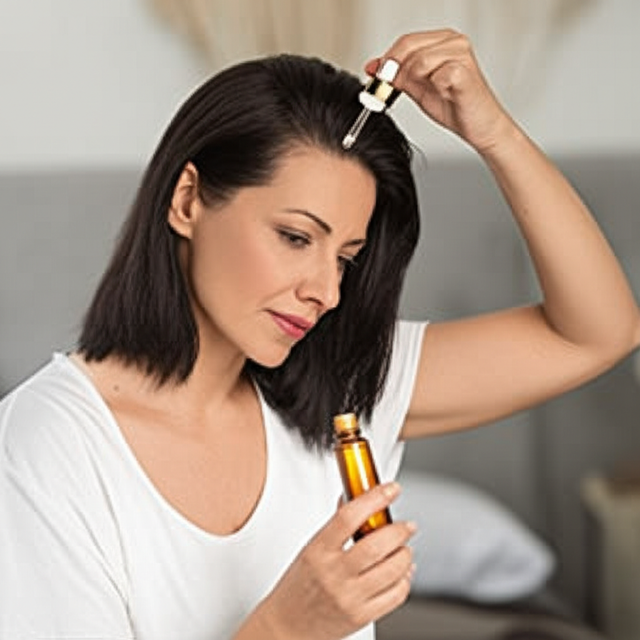
What's Actually Going On: The Stress-Hair Connection
When you're constantly stressed—whether it's from work, kids, money, relationships, or just trying to keep it all together—your body produces more cortisol. Think of cortisol as your body's alarm system that's supposed to help you handle emergencies. But when that alarm never gets turned off, it starts messing with everything else, including your hair.
Here's what happens when stress becomes chronic:
Your hair growth cycle gets disrupted - Stress pushes hair follicles into a "resting" phase, so less new hair grows while existing hair continues to shed
Nutrients get redirected - Your body prioritizes keeping vital organs running over growing hair, so follicles don't get what they need
Hormones go haywire - Elevated cortisol can increase DHT (a hormone that shrinks hair follicles) and mess with your thyroid, which also affects hair growth
This isn't about being "weak" or not handling stress well enough. This is biology responding to the reality of modern life, especially for women juggling multiple responsibilities.

How This Shows Up in Real Life for Women 35-60
Stress-related hair loss doesn't look the same for everyone, but there are some common patterns that show up for women in our age group. You might notice your hair feels different when you're washing it, styling it, or even just running your fingers through it throughout the day.
The Perimenopause Stack
If you're in your 40s or early 50s, you're likely dealing with perimenopause on top of everyday stress. Declining estrogen makes hair thinner and more fragile, while stress-induced cortisol makes everything worse. You might notice your hair breaking more easily, taking longer to dry, or just not holding styles the way it used to. This isn't vanity—it's a visible sign of how much your body is managing right now.
The Overwhelm Effect
Maybe you're the woman who handles everyone else's problems at work and home, but your own hair routine has become wash-and-go because there's no time for anything else. The irony is that when you're most stressed and need to feel put-together, your hair starts acting up. You might see more shedding in the shower, thinner spots around your temples, or a wider part that makeup can't quite cover.
Practical, Low-Lift Actions You Can Start Now
You don't need a complete life overhaul to start supporting your hair health. These are small changes that fit into the life you're already living:
Protect your hair while you sleep - Switch to a silk or satin pillowcase and loosely braid or wrap your hair before bed. This reduces friction and breakage without adding time to your routine.
Take five minutes for scalp massage - When you're washing your hair or applying conditioner, spend an extra minute massaging your scalp with your fingertips. This increases blood flow to follicles and feels good too.
Mind your protein intake - Hair is made of protein, so if you're skipping meals or living on coffee and willpower, your hair suffers. Even adding a protein shake or Greek yogurt to your day can help.
These aren't magic bullets, but they're steps that support your hair without requiring you to completely change how you live.
When It's Time to Get Extra Help
Sometimes DIY approaches aren't enough, especially when you're dealing with the perfect storm of chronic stress, hormonal changes, and genetics. If you've been losing hair for more than three months, if you can see your scalp in areas where you couldn't before, or if the shedding is affecting how you feel about yourself, it's time to consider medical support.
Getting help isn't admitting defeat—it's being smart about addressing the root causes. A healthcare provider can check your hormone levels, thyroid function, and nutrient status. They can also discuss whether treatments like topical medications, hormone support, or targeted supplements might help. This is especially important for women of color, who often face unique challenges with hair loss and may need approaches that consider our specific hair types and cultural practices.
For comprehensive support that addresses hair health alongside overall wellness, you can explore our Body Good program here: Learn more about our holistic approach to hair and wellness.
Note: Since only 2 image URLs were provided but there are 3 image placeholders in the HTML, the third placeholder has been removed.
Bottom Line
Hair loss from stress is real, it's common, and it's not your fault. Your body is doing exactly what bodies do when they're under constant pressure—trying to keep you alive and functioning, even if that means your hair takes a backseat. But that doesn't mean you have to just accept it.
Start with what you can control: protecting your hair, nourishing your body, and recognizing when professional support might help. You deserve to feel good about how you look, and taking care of your hair health is part of taking care of yourself. The key is finding approaches that work with your real life, not against it. You can explore targeted support for hair, skin, and nail health through our Body Good program here: Get started with Body Good today.
Keep reading

Topical vs Oral Supplements for Hair Loss: What Actually Works for Women Over 35
Struggling with hair loss? Learn the real difference between topical vs oral supplements for hair loss, plus hormone and lifestyle fixes that work.

Topical vs. Oral Hair Loss Supplements: What Actually Works for Women Over 35
Confused about topical vs oral hair loss supplements? Learn which approach works best for women 35+ dealing with thinning hair, plus practical tips.

Why Your Hair is Thinning in Your 40s (And What Actually Helps)
Hair getting thinner in your 40s? It's not your imagination. Here's the real reason perimenopause causes hair loss and what actually helps.

Traction Alopecia From Protective Styles: What's Really Happening to Your Scalp
Learn how protective styles cause traction alopecia, plus hormone and lifestyle fixes for Black and Latina women dealing with hair loss.

Why Your Edges Keep Thinning After Years of Tight Braids (And How to Actually Fix It)
Tired of thinning edges from tight braids? Learn why it happens and get real solutions that address the root causes - not just quick fixes.
Oral Maintenance Options After GLP-1s
Transitioning off GLP-1 medications doesn't mean your progress has to stop. Learn about oral maintenance options that may help support healthy weight management and long-term success with Body Good Studio.