
Topical vs Oral Supplements for Hair Loss: What Actually Works for Women Over 35
Let's be honest — seeing more hair in your brush than on your head is scary as hell. And when you're already juggling work, family, and everything else, the last thing you need is to waste money on products that don't work.
If you're a woman over 35 dealing with thinning hair, you've probably wondered: should I be rubbing something on my scalp or swallowing pills? Here's the thing — both topical and oral supplements can work, but they work differently and target different root causes of hair loss.
This article will break down the real difference between topical vs oral supplements for hair loss, when each makes sense, and what lifestyle factors are probably sabotaging your hair growth right now.
To explore a medically guided option for comprehensive hair health support, you can learn more about our Body Good program here: Learn more about this Body Good program.
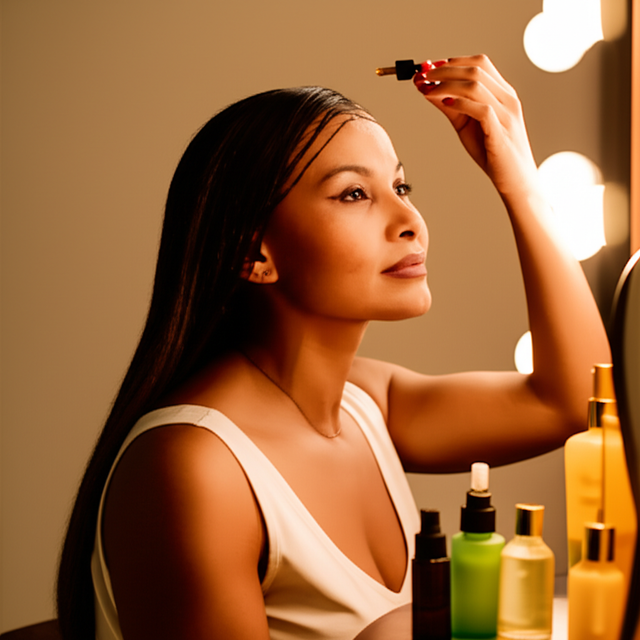
What's Actually Going On with Hair Loss After 35
Your hair follicles aren't just giving up on you for no reason. There are specific biological processes happening that make hair loss more common as we age, especially for women of color.
Hormonal shifts: Declining estrogen (hello, perimenopause) and increased sensitivity to DHT (dihydrotestosterone) can shrink hair follicles and shorten the growth phase
Nutrient deficiencies: Your body's ability to absorb nutrients changes, and chronic stress depletes key vitamins and minerals your hair follicles need
Inflammation and blood flow: Poor circulation to the scalp and chronic inflammation can starve hair follicles of oxygen and nutrients
This is why there's no one-size-fits-all solution. Your hair loss might be happening because of hormones, nutrients, circulation, or all three.
How Hair Loss Shows Up in Real Life for Women Over 35
Hair loss isn't just about what you see in the mirror. It affects how you show up in the world — from avoiding certain hairstyles to feeling less confident in meetings or on dates.
The Perimenopause Hair Stack
If you're in your 40s or late 30s, declining estrogen is probably playing a role. You might notice your hair feels thinner overall, your part is getting wider, or your edges are retreating. This often comes with other fun symptoms like irregular periods, night sweats, and that lovely "tired but wired" feeling.
The Stress and Sleep Connection
Chronic stress and poor sleep create a perfect storm for hair loss. When you're running on fumes, your body prioritizes keeping you alive over growing luxurious hair. Plus, elevated cortisol can push more hair follicles into the "resting" phase, leading to increased shedding 2-3 months later.

If you're dealing with multiple factors affecting your hair health, our comprehensive approach addresses nutrition, hormones, and lifestyle factors together: Learn more about this Body Good program.
Practical, Low-Lift Actions You Can Start Now
Before we dive into the topical vs oral supplement debate, here are three realistic changes that can support hair health without turning your life upside down:
Scalp massage while you're already doing something else: During your evening skincare routine or while watching TV, spend 2-3 minutes gently massaging your scalp with your fingertips. This increases blood flow to hair follicles.
Eat protein with every meal: Your hair is literally made of protein. Aim for a palm-sized portion of protein (eggs, fish, beans, Greek yogurt) with each meal to give your hair follicles the building blocks they need.
Take your multivitamin with dinner, not breakfast: Many women absorb nutrients better later in the day, and taking supplements with a meal that contains some fat helps absorption of fat-soluble vitamins like D and biotin.
Topical vs Oral Supplements: The Real Difference
Now let's get to the heart of it. Topical treatments work directly on the scalp and hair follicles, while oral supplements work from the inside out through your bloodstream.
When Topical Makes More Sense
Topical treatments like oils, serums, and medicated solutions can be great when your hair loss is primarily about circulation, inflammation, or DHT sensitivity at the scalp level. They deliver active ingredients directly to hair follicles without having to go through your digestive system first.
The downside? If your hair loss is driven by internal factors like nutrient deficiencies, hormonal imbalances, or chronic stress, a topical approach alone probably won't cut it.
When Oral Supplements Are the Better Choice
Oral supplements make more sense when your hair loss is connected to overall nutritional status, hormonal imbalances, or systemic inflammation. They can address deficiencies in iron, biotin, vitamin D, or other nutrients that affect hair growth throughout your entire body.
The reality? Most women over 35 benefit from a combination approach because hair loss is rarely caused by just one factor.
When It's Time to Get Extra Help
Here's what a lot of wellness influencers won't tell you: sometimes DIY approaches aren't enough, and that's not your fault or a personal failing.
Consider medical support when you've been consistent with good habits for 3-6 months and still aren't seeing improvement, when hair loss is sudden or patchy, or when it's affecting your quality of life and confidence.
Medical options might include hormone testing and optimization, prescription treatments for androgenetic alopecia, or identifying and treating underlying conditions like PCOS or thyroid disorders that contribute to hair loss.
For women who want a medically-guided approach that combines the best of both topical and systemic support, our program provides personalized recommendations based on your specific situation: Learn more about this Body Good program.
Bottom Line
The topical vs oral supplements debate misses the bigger picture. Most women dealing with hair loss after 35 need a comprehensive approach that addresses circulation, nutrition, hormones, and lifestyle factors.
Your hair loss isn't happening because you're not trying hard enough or because you're "getting old." It's happening because of specific, treatable biological processes. The key is figuring out which combination of approaches will work best for your particular situation — and knowing when it's time to get professional help to make that happen.
Ready to Start Your Weight Loss Journey?
Take our quiz to find the best program for you
Take the Quiz →
Keep reading

Hair Loss From Stress: Why It's Happening and What Actually Helps
Dealing with hair loss from stress? Learn why it happens to women 35-60 and get practical, low-effort solutions that actually work.

Topical vs. Oral Hair Loss Supplements: What Actually Works for Women Over 35
Confused about topical vs oral hair loss supplements? Learn which approach works best for women 35+ dealing with thinning hair, plus practical tips.

Why Your Hair is Thinning in Your 40s (And What Actually Helps)
Hair getting thinner in your 40s? It's not your imagination. Here's the real reason perimenopause causes hair loss and what actually helps.

Traction Alopecia From Protective Styles: What's Really Happening to Your Scalp
Learn how protective styles cause traction alopecia, plus hormone and lifestyle fixes for Black and Latina women dealing with hair loss.

Why Your Edges Keep Thinning After Years of Tight Braids (And How to Actually Fix It)
Tired of thinning edges from tight braids? Learn why it happens and get real solutions that address the root causes - not just quick fixes.
Oral Maintenance Options After GLP-1s
Transitioning off GLP-1 medications doesn't mean your progress has to stop. Learn about oral maintenance options that may help support healthy weight management and long-term success with Body Good Studio.