
Topical vs. Oral Hair Loss Supplements: What Actually Works for Women Over 35
Let's be honest – walking down the hair care aisle feels like being in a casino. Bottles promising miracle regrowth, supplements claiming to "reverse hair loss in 30 days," and enough conflicting advice to make your head spin (pun intended).
If you're a woman over 35 dealing with thinning hair, you've probably wondered: should I be putting something ON my scalp or taking something by mouth? The answer isn't as simple as the marketing wants you to believe.
Here's what you need to know about topical vs. oral hair loss supplements – the real science, not the sales pitch. To explore a medically guided option for scalp health, you can learn more about our Body Good hair oil program here: Learn more about this Body Good program.
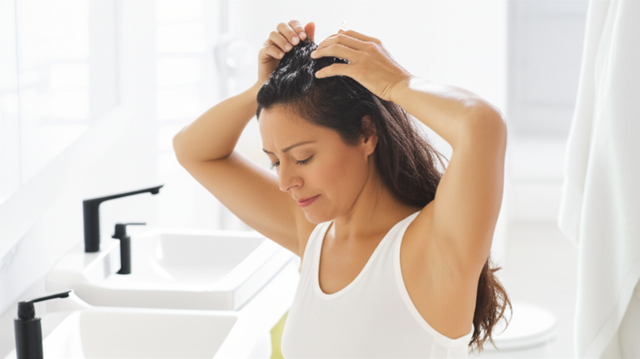
What's Actually Going On With Your Hair
Here's the thing about hair loss in women over 35: it's almost never about one single cause. Your hair follicles are dealing with a perfect storm of changes happening in your body.
Hormonal shifts: Estrogen drops during perimenopause, which means less protection for your hair follicles and more sensitivity to DHT (the hormone that shrinks follicles)
Nutrient gaps: Your body's ability to absorb certain vitamins and minerals decreases with age, and chronic stress depletes others faster than you can replace them
Inflammation and circulation: Poor blood flow to the scalp and chronic inflammation can literally choke out healthy hair growth
This is why the "one magic pill" approach rarely works. Your hair needs support from multiple angles.
How This Shows Up in Real Life for Women 35-60
You probably didn't wake up one day with dramatically thinner hair. For most women, it starts subtle – maybe your ponytail feels smaller, or you notice more hair in the shower drain than usual.
The Perimenopause Factor
If you're in your 40s or 50s, hormonal changes are likely playing a major role. Your hair might feel different in texture – more brittle, less shiny, or growing more slowly. You might notice thinning at your temples or a wider part line. This isn't "normal aging" you have to accept – it's your body responding to hormonal changes that can be addressed.
Stress and Modern Life
Between work demands, family responsibilities, and just existing as a woman of color in today's world, chronic stress is depleting nutrients faster than most supplements can replace them. High cortisol levels can push hair follicles into a resting phase, which means less new growth and more shedding.
Practical, Low-Lift Actions You Can Start Now
Before you spend hundreds on treatments, try these evidence-based strategies that won't overwhelm your already packed schedule:
Scalp massage while you're already washing: Spend 30 seconds massaging your scalp with your fingertips during your regular shampoo routine. This improves circulation without adding another step to your day.
Optimize your protein timing: Instead of worrying about exotic supplements, make sure you're getting 20-25g of protein at breakfast. Your hair follicles need amino acids to build new strands, and morning protein sets the foundation.
Address your iron status: Ask your doctor to check your ferritin levels (not just basic iron). Low ferritin is incredibly common in women and directly impacts hair growth, but it's often missed in routine blood work.
For targeted scalp support that works alongside these lifestyle changes, you can explore our Body Good scalp health program here: Learn more about this Body Good program.
Topical vs. Oral: What the Research Actually Shows
Here's where it gets interesting. The research suggests that both approaches have merit, but they work through different pathways.
The Case for Topical Treatments
Topical treatments work directly at the scalp level. They can improve circulation, reduce inflammation, and deliver active ingredients right where you need them. The advantage? You're not relying on your digestive system to process and distribute nutrients throughout your entire body – you're going straight to the source.
Quality topical treatments can also address scalp health issues that oral supplements can't touch, like buildup, inflammation, or poor circulation.
The Case for Oral Supplements
Oral supplements work from the inside out, addressing systemic issues that might be affecting your hair. If you have nutrient deficiencies, hormone imbalances, or chronic inflammation, topical treatments alone won't fix the underlying problem.
The challenge with oral hair supplements is that many are poorly formulated or contain nutrients in forms your body can't easily use. Plus, if you have digestive issues (common in women over 35), you might not be absorbing what you're taking anyway.
When It's Time to Get Extra Help
DIY approaches work great for mild thinning or as prevention, but sometimes you need professional support. Consider getting medical guidance if:
You're dealing with sudden or dramatic hair loss, you've tried consistent lifestyle changes for 3-4 months without improvement, or you suspect hormonal issues are at play (irregular periods, hot flashes, mood changes).
This isn't about admitting defeat – it's about using all the tools available to you. Professional treatments like prescription topicals, hormone optimization, or targeted nutrient therapy can make the difference between frustrated hoping and actual results.
Our Body Good approach combines the benefits of targeted topical care with medical oversight to help you address hair concerns comprehensively: Learn more about this Body Good program.
Bottom Line
The topical vs. oral debate misses the point. Most women over 35 dealing with hair changes need both – topical support for immediate scalp health and targeted internal support for the underlying causes.
Your hair loss isn't a character flaw or something you need to just accept. But it also isn't going to be fixed by the first supplement you try. Give yourself permission to take a comprehensive approach and get professional help when you need it.
Ready to Start Your Weight Loss Journey?
Take our quiz to find the best program for you
Take the Quiz →
Keep reading

Hair Loss From Stress: Why It's Happening and What Actually Helps
Dealing with hair loss from stress? Learn why it happens to women 35-60 and get practical, low-effort solutions that actually work.

Topical vs Oral Supplements for Hair Loss: What Actually Works for Women Over 35
Struggling with hair loss? Learn the real difference between topical vs oral supplements for hair loss, plus hormone and lifestyle fixes that work.

Why Your Hair is Thinning in Your 40s (And What Actually Helps)
Hair getting thinner in your 40s? It's not your imagination. Here's the real reason perimenopause causes hair loss and what actually helps.

Traction Alopecia From Protective Styles: What's Really Happening to Your Scalp
Learn how protective styles cause traction alopecia, plus hormone and lifestyle fixes for Black and Latina women dealing with hair loss.

Why Your Edges Keep Thinning After Years of Tight Braids (And How to Actually Fix It)
Tired of thinning edges from tight braids? Learn why it happens and get real solutions that address the root causes - not just quick fixes.
Oral Maintenance Options After GLP-1s
Transitioning off GLP-1 medications doesn't mean your progress has to stop. Learn about oral maintenance options that may help support healthy weight management and long-term success with Body Good Studio.