
Perimenopause Acne and Dark Spots: Dermatologist-Backed At-Home Care That Actually Works
Let's be honest – nobody prepared you for this part of perimenopause. You're dealing with weight changes, hot flashes, and now your skin is acting like you're 15 again. Except this time, those breakouts are leaving dark spots that seem to stick around forever.
If you're a Black or Latina woman in your 40s or 50s wondering why your skincare routine suddenly stopped working, you're not alone. Perimenopause acne and dark spots are real, frustrating, and way more common than anyone talks about.
Here's what's actually happening to your skin during this transition – and the dermatologist-backed strategies that can help you get your glow back without breaking the bank or your busy schedule.
To explore a comprehensive approach that addresses hormonal changes from the inside out, you can learn more about our Body Good program here: Learn more about Body Good's hormone support program.
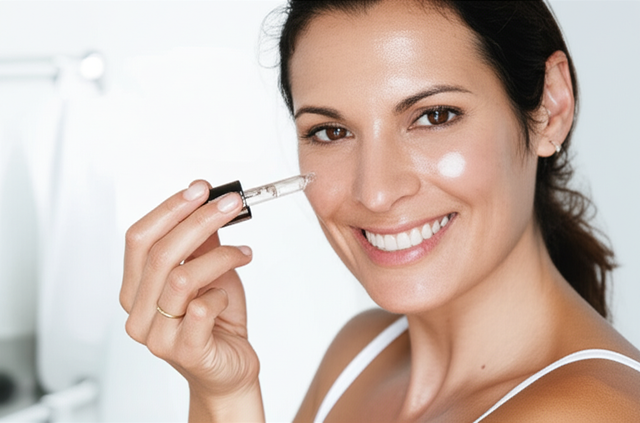
What's Actually Going On With Your Skin During Perimenopause
Here's the thing – your skin changes aren't random or your fault. During perimenopause, your estrogen levels start dropping while your testosterone stays relatively steady. This hormonal shift creates the perfect storm for adult acne, especially along your jawline and chin.
At the same time, declining estrogen affects how your skin produces and sheds cells, making you more prone to clogged pores. When those pores get inflamed and heal, they often leave behind post-inflammatory hyperpigmentation – those stubborn dark spots that seem impossible to fade.
The key factors driving perimenopause skin changes include:
- Decreased estrogen leading to increased oil production and thicker skin cells
- Slower cell turnover making it harder for your skin to heal and renew itself
- Increased cortisol from perimenopause stress, which worsens both acne and dark spot formation
How This Shows Up in Real Life for Women 35-60
Maybe you've noticed your once-clear skin now breaks out right before your period – except your periods are all over the place now. Or you're dealing with painful cystic bumps along your jawline that take weeks to heal and leave dark marks behind.
The Perimenopause Skin Struggle
You might find yourself covering up dark spots with makeup that used to be optional, or avoiding certain lighting because it highlights every mark on your face. The products that worked in your 30s suddenly feel too harsh or too gentle, leaving you frustrated and spending money on endless new routines.
When Stress Makes Everything Worse
Between managing work, family, aging parents, and your own changing body, stress levels are through the roof. That stress directly impacts your skin by increasing inflammation and slowing healing – which means more breakouts and darker, longer-lasting spots.
Practical, Low-Lift Actions You Can Start Now
You don't need a 12-step routine or expensive treatments to see improvement. These dermatologist-backed strategies work with your busy life:
Switch to gentle, consistent basics: Use a mild cleanser morning and night, followed by a moisturizer with niacinamide. This B-vitamin helps control oil and fades dark spots over time. Skip the harsh scrubs that can make inflammation worse.
Add one targeted treatment: Choose either a retinol product (2-3 times per week) OR a product with azelaic acid. Don't use both at once. These ingredients help speed cell turnover and prevent new dark spots from forming.
Protect what you've got: Use SPF 30+ daily, even indoors. UV exposure makes dark spots darker and slows healing. Find a sunscreen that doesn't feel heavy or leave a white cast – your future self will thank you.
For women dealing with multiple perimenopause symptoms affecting their skin, energy, and overall wellbeing, you can explore our comprehensive approach here: Learn about Body Good's hormone and skin support program.
When It's Time to Get Extra Help
Sometimes at-home care isn't enough, especially when hormonal changes are driving the problem. If you're dealing with painful cystic acne, dark spots that won't budge after 3-4 months of consistent care, or skin changes that are affecting your confidence, it's time to consider professional support.
This might include prescription retinoids that work faster than over-the-counter options, or treatments specifically designed for darker skin tones that are more prone to post-inflammatory hyperpigmentation. Some women also benefit from hormone therapy that addresses the root cause of perimenopause skin changes.
Asking for help isn't giving up – it's being smart about getting results that match your goals and timeline.
Bottom Line
Perimenopause acne and dark spots aren't a reflection of your hygiene, diet, or willpower. They're a normal response to major hormonal changes happening in your body. The good news is that with the right approach, you can improve your skin without turning skincare into a part-time job.
Focus on gentle consistency over dramatic interventions, protect your skin from further damage, and don't hesitate to get professional help when you need it. Your skin – and your confidence – deserve that investment.
Ready to address perimenopause symptoms from multiple angles? Explore how Body Good's comprehensive program supports both hormonal balance and skin health.
Keep reading

Perimenopause Acne And Dark Spots: Dermatologist-Backed Tips for At-Home Care
Get real solutions for perimenopause acne and dark spots. Dermatologist-backed at-home care tips that actually work for women 35-60.

The Real Talk Guide to Hyperpigmentation for Women of Color
Dermatologist-backed tips for treating dark spots, melasma, and hyperpigmentation. Real solutions for Black and Latina women's skincare concerns.
Oral Maintenance Options After GLP-1s
Transitioning off GLP-1 medications doesn't mean your progress has to stop. Learn about oral maintenance options that may help support healthy weight management and long-term success with Body Good Studio.
Maintenance Dosing vs Stopping GLP-1s: Which Is Right for You?
Should you continue maintenance dosing or stop GLP-1 treatment after reaching your weight goals? This blog explores the benefits, risks, and key factors to help you choose the best long-term approach with guidance from Body Good Studio.
What Causes Regain and How to Prevent It
Weight regain can happen for many reasons, from metabolic changes to lifestyle habits after losing weight. This blog explains the common causes and shares practical, science-backed strategies to help maintain long-term results with Body Good Studio.
Stopping GLP-1s and Keeping Weight Off: Step-Down Plans, Maintenance Dosing, and Metabolic Support
Stopping GLP-1 medications does not have to mean regaining weight. This blog explores effective step-down strategies, maintenance dosing options, and metabolic support solutions that can help sustain long-term weight loss results. Learn how lifestyle habits, targeted supplements, and wellness injections may support metabolism, appetite control, and overall wellness after GLP-1 treatment. Discover practical approaches to maintaining your progress and achieving lasting weight management success.