
Perimenopause Acne And Dark Spots: Dermatologist-Backed Tips for At-Home Care
Let's be honest – waking up with new breakouts in your 40s wasn't exactly in the life plan. You're dealing with enough changes right now without your skin acting like you're 16 again. And those dark spots? They seem to appear overnight and stick around like unwelcome house guests.
Here's the thing: perimenopause acne and dark spots aren't about poor hygiene or not trying hard enough. Your hormones are literally rewiring your skin, and you need strategies that work with this new reality, not against it.
This article breaks down what's actually happening in your skin during perimenopause and gives you dermatologist-backed solutions you can start using today – no prescription required. To explore a medically guided option for comprehensive support during this transition, you can learn more about our Body Good program here: Learn more about Body Good's perimenopause support program.
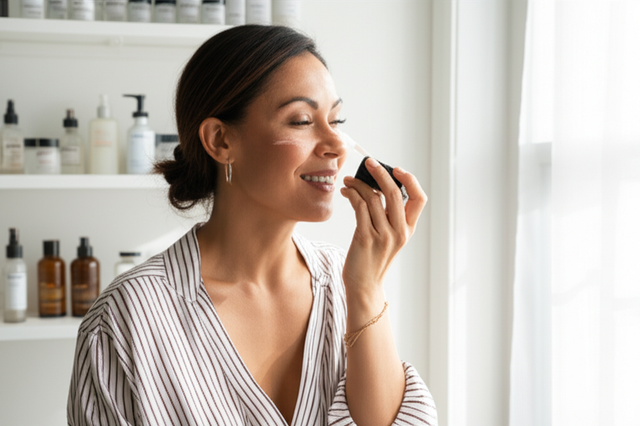
What's Actually Going On With Perimenopause Acne
During perimenopause, your estrogen starts its slow decline while your testosterone levels stay relatively steady. This creates an androgen-dominant environment that your skin hasn't dealt with since puberty. Here's what this hormonal shift triggers:
Increased oil production: Your sebaceous glands go into overdrive, creating the perfect breeding ground for acne bacteria
Slower cell turnover: Dead skin cells stick around longer, clogging pores and contributing to both breakouts and dull-looking skin
Inflammation amplification: Hormonal fluctuations make your skin more reactive and slower to heal, which is why dark spots linger longer
This isn't your teenage acne. Perimenopause breakouts tend to be deeper, more inflamed, and concentrated along your jawline, chin, and lower face – right where your hormone receptors are most active.
How This Shows Up in Real Life for Women 35-60
You might notice your skin feels oilier in some areas but dry and tight in others. Breakouts show up right before your period (if you're still getting them) or seem to follow no pattern at all. The unpredictability is maddening.
The Perimenopause Acne Pattern
Unlike teenage acne that's often widespread, hormonal acne in perimenopause typically appears as deep, painful cysts along the lower third of your face. These breakouts take forever to come to a head and leave dark marks that seem permanent. You might also notice your skin looks duller overall, with an uneven texture that makeup can't quite smooth over.
The Dark Spot Multiplication
Post-inflammatory hyperpigmentation – those dark marks left behind after breakouts – becomes more stubborn during perimenopause. Your skin's repair mechanisms slow down, so what used to fade in a few weeks now takes months. Add in any sun exposure, and these spots can become even darker and more noticeable, especially on deeper skin tones where melanin production is more active.
Practical, Low-Lift Actions She Can Start Now
You don't need a 12-step routine or expensive treatments. These dermatologist-backed strategies work with your changing skin, not against it:
Switch to a gentle, non-stripping cleanser: Look for ingredients like ceramides or hyaluronic acid. Your skin is already dealing with hormonal stress – harsh cleansers will only make inflammation worse. Wash twice daily, but resist the urge to scrub.
Add a targeted retinol or retinoid: Start with over-the-counter retinol 2-3 times per week. This helps speed up cell turnover to prevent clogged pores and fade existing dark spots. If your skin tolerates it well after 4-6 weeks, you can increase frequency.
Use a vitamin C serum in the morning: Look for 10-15% L-ascorbic acid or more stable forms like magnesium ascorbyl phosphate. This helps prevent new dark spots from forming and gradually lightens existing ones. Always follow with broad-spectrum SPF 30 or higher.
The key is consistency, not perfection. Pick one change to implement for 4-6 weeks before adding the next step. Your skin needs time to adjust to new products, especially when hormones are already causing changes.
When It's Time to Get Extra Help
DIY approaches work great for mild to moderate perimenopause acne and dark spots. But if you're dealing with painful cystic breakouts, dark spots that aren't fading after 3-6 months of consistent care, or skin changes that are affecting your confidence and daily life, it's time to consider professional support.
A dermatologist can prescribe stronger retinoids, topical antibiotics, or hormonal treatments that target acne at its source. For stubborn dark spots, treatments like chemical peels, laser therapy, or prescription hydroquinone can accelerate results. There's also emerging evidence that certain supplements and hormone replacement therapy can help stabilize the skin during perimenopause.
Asking for help isn't giving up – it's recognizing that your skin's needs have changed and you deserve solutions that actually work. To explore a medically guided option that addresses perimenopause symptoms holistically, you can learn more about our Body Good program here: Learn more about comprehensive perimenopause support.
Bottom Line
Perimenopause acne and dark spots aren't a character flaw or something you need to "just deal with." Your hormones are changing your skin in predictable ways, and there are evidence-based strategies that can help you work with these changes instead of fighting against them.
Start with gentle, consistent care that supports your skin barrier while addressing oil production and cell turnover. Be patient with the process – hormonal skin changes take time to improve, but they do respond to the right approach. And remember, if at-home care isn't enough, professional treatment options can help you feel confident in your skin again. You deserve to feel good about how you look, especially during this major life transition. To explore a medically guided approach to perimenopause wellness, you can learn more about our Body Good program here: Learn more about our comprehensive perimenopause support program.
Ready to Start Your Weight Loss Journey?
Take our quiz to find the best program for you
Take the Quiz →
Keep reading

Perimenopause Acne and Dark Spots: Dermatologist-Backed At-Home Care That Actually Works
Fed up with perimenopause acne and dark spots? Get dermatologist-backed at-home skincare tips that work for women of color going through hormonal changes.

The Real Talk Guide to Hyperpigmentation for Women of Color
Dermatologist-backed tips for treating dark spots, melasma, and hyperpigmentation. Real solutions for Black and Latina women's skincare concerns.
Oral Maintenance Options After GLP-1s
Transitioning off GLP-1 medications doesn't mean your progress has to stop. Learn about oral maintenance options that may help support healthy weight management and long-term success with Body Good Studio.
Maintenance Dosing vs Stopping GLP-1s: Which Is Right for You?
Should you continue maintenance dosing or stop GLP-1 treatment after reaching your weight goals? This blog explores the benefits, risks, and key factors to help you choose the best long-term approach with guidance from Body Good Studio.
What Causes Regain and How to Prevent It
Weight regain can happen for many reasons, from metabolic changes to lifestyle habits after losing weight. This blog explains the common causes and shares practical, science-backed strategies to help maintain long-term results with Body Good Studio.
Stopping GLP-1s and Keeping Weight Off: Step-Down Plans, Maintenance Dosing, and Metabolic Support
Stopping GLP-1 medications does not have to mean regaining weight. This blog explores effective step-down strategies, maintenance dosing options, and metabolic support solutions that can help sustain long-term weight loss results. Learn how lifestyle habits, targeted supplements, and wellness injections may support metabolism, appetite control, and overall wellness after GLP-1 treatment. Discover practical approaches to maintaining your progress and achieving lasting weight management success.