
The Real Talk Guide to Hyperpigmentation for Women of Color

Let's be honest – dealing with dark spots, melasma, and uneven skin tone hits different when you're a woman of color. You've probably been told to just use more sunscreen or try the latest expensive serum that promises miracles. Meanwhile, those stubborn patches on your face aren't budging, and you're starting to wonder if anything actually works for your skin.
Here's the thing: hyperpigmentation in Black and Latina women isn't just about sun damage. Your melanin-rich skin reacts differently to hormones, stress, and even skincare products themselves. What works for your lighter-skinned friends might actually make your dark spots worse.
This guide will break down what's really happening with your skin and give you dermatologist-backed strategies that actually work for women who look like you. No more guessing games or wasted money on products that weren't made with your skin in mind.
If you're looking for a comprehensive approach that addresses both skincare and the internal factors affecting your skin, explore our Body Good wellness programs here.
What's Actually Going On With Your Skin
Your skin produces more melanin when it's irritated, inflamed, or hormonally triggered. Think of melanin as your skin's protection system – it goes into overdrive when it senses trouble. But unlike lighter skin that might just get red and fade, your skin creates these persistent dark patches that can stick around for months or years.
Hormonal changes: Pregnancy, birth control, and perimenopause can trigger melasma and dark patches, especially on your face
Inflammation response: Any irritation – from acne, harsh products, or even aggressive scrubbing – can leave behind dark marks
Post-inflammatory hyperpigmentation (PIH): Your skin's way of healing from injury, but the "healing" shows up as dark spots that overstay their welcome
How This Shows Up in Real Life for Women 35-60
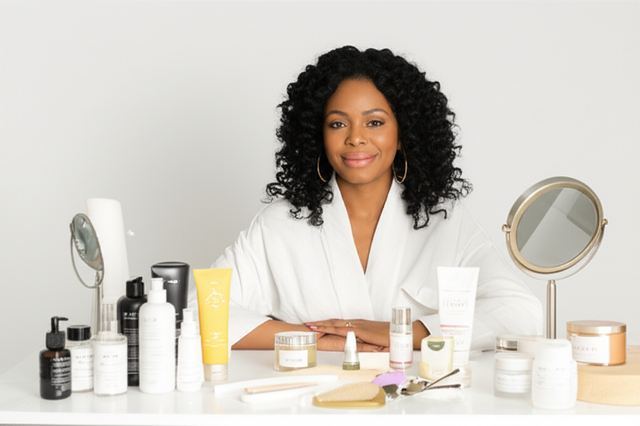
You wake up, look in the mirror, and there it is – that patch above your lip that wasn't there last month. Or maybe it's the dark spots on your cheeks that make you reach for concealer every single day. Your friends say you look fine, but you know what you see.
The Perimenopause Connection
If you're in your late 30s or 40s, shifting hormones are probably making everything worse. That "pregnancy mask" (melasma) you thought would disappear after you had kids? It's back with a vengeance. Your estrogen levels are fluctuating, which directly triggers your melanocytes to go crazy. It's not your imagination – your skin really is acting differently than it did in your 20s.
The Stress and Sleep Factor
When you're running on four hours of sleep, managing kids, work, and everything else, your cortisol levels stay elevated. High stress hormones increase inflammation throughout your body, including your skin. That dark spot that appeared after you broke out during a particularly stressful month? That's your body's stress response written all over your face.
Practical, Low-Lift Actions You Can Start Now
Forget the 12-step routines and expensive gadgets. Here's what actually works when you're busy and need results:
Use a gentle vitamin C serum in the morning: Look for magnesium ascorbyl phosphate – it's less irritating than L-ascorbic acid but still effective at brightening dark spots. Apply it after cleansing, before sunscreen.
Add a retinol or retinoid 2-3 times per week: Start with a low percentage (0.25% or 0.5%) and use it at night only. This speeds up cell turnover to fade existing spots and prevent new ones. If your skin gets irritated, back off to once a week.
Never skip broad-spectrum SPF 30+ sunscreen: Even on cloudy days, even when you're just running errands. UV exposure makes existing hyperpigmentation darker and creates new spots. Mineral sunscreens with zinc oxide work best for sensitive skin.
For women dealing with multiple skin concerns alongside hormonal changes, our Body Good approach addresses both internal and external factors that affect skin health.
When It's Time to Get Extra Help
Sometimes DIY isn't enough, and that's completely normal. If you've been consistent with a good routine for 3-4 months and aren't seeing improvement, it's time to consider professional options. This isn't about you failing – it's about using the right tools for the job.
Dermatologists can prescribe hydroquinone (the gold standard for hyperpigmentation), tretinoin (prescription-strength retinoid), or combination treatments like tri-luma. Chemical peels specifically designed for darker skin tones can also speed up results safely.
Here's what's important: make sure you're working with a dermatologist who has experience treating skin of color. Not all treatments are safe for melanin-rich skin, and some can actually make hyperpigmentation worse if not done correctly.
Don't feel guilty about wanting professional help. Your skin concerns are valid, and you deserve to feel confident in your own face.
Bottom Line
Hyperpigmentation in women of color isn't just about using the right products – it's about understanding how your skin works differently and addressing the root causes like hormones and inflammation. Your dark spots aren't permanent, but they do require patience and the right approach.
The most important thing? This isn't about achieving perfect skin or looking like anyone else. It's about feeling comfortable and confident in your own skin. Start with gentle, consistent care, protect what you have with sunscreen, and don't be afraid to ask for professional help when you need it.
Ready to take a comprehensive approach to your skin health? Learn more about Body Good's holistic wellness programs that support both your skin and overall health.
Ready to Start Your Weight Loss Journey?
Take our quiz to find the best program for you
Take the Quiz →
Keep reading

Perimenopause Acne And Dark Spots: Dermatologist-Backed Tips for At-Home Care
Get real solutions for perimenopause acne and dark spots. Dermatologist-backed at-home care tips that actually work for women 35-60.

Perimenopause Acne and Dark Spots: Dermatologist-Backed At-Home Care That Actually Works
Fed up with perimenopause acne and dark spots? Get dermatologist-backed at-home skincare tips that work for women of color going through hormonal changes.
Oral Maintenance Options After GLP-1s
Transitioning off GLP-1 medications doesn't mean your progress has to stop. Learn about oral maintenance options that may help support healthy weight management and long-term success with Body Good Studio.
Maintenance Dosing vs Stopping GLP-1s: Which Is Right for You?
Should you continue maintenance dosing or stop GLP-1 treatment after reaching your weight goals? This blog explores the benefits, risks, and key factors to help you choose the best long-term approach with guidance from Body Good Studio.
What Causes Regain and How to Prevent It
Weight regain can happen for many reasons, from metabolic changes to lifestyle habits after losing weight. This blog explains the common causes and shares practical, science-backed strategies to help maintain long-term results with Body Good Studio.
Stopping GLP-1s and Keeping Weight Off: Step-Down Plans, Maintenance Dosing, and Metabolic Support
Stopping GLP-1 medications does not have to mean regaining weight. This blog explores effective step-down strategies, maintenance dosing options, and metabolic support solutions that can help sustain long-term weight loss results. Learn how lifestyle habits, targeted supplements, and wellness injections may support metabolism, appetite control, and overall wellness after GLP-1 treatment. Discover practical approaches to maintaining your progress and achieving lasting weight management success.