
Why Your Hair is Thinning in Your 40s (And What Actually Helps)
Let's be honest – you've probably noticed your hair isn't what it used to be. Maybe you're seeing more in the shower drain, your ponytail feels thinner, or your part is getting wider. If you're a woman in your 40s, especially if you're Black or Latina, this isn't your imagination and it's definitely not your fault.
Here's the thing: perimenopause hair thinning is real, it's common, and it's largely about biology – not how well you're "taking care" of yourself. Your hormones are shifting in ways that directly impact your hair follicles, and understanding what's actually happening can help you make smarter choices about what to do next.
This article will break down the real reasons your hair is changing, what this looks like day-to-day, and practical steps that actually work – not the expensive treatments that promise miracles but deliver disappointment.
To explore a medically guided option for hair support, you can learn more about our Body Good botanical hair growth program here: Learn more about this Body Good program.
What's Actually Going On with Your Hair
During perimenopause, your estrogen levels start declining while your body still produces the same amount of androgens (male hormones like testosterone). This creates a hormonal imbalance that affects your hair follicles in specific ways:
Estrogen decline: Less estrogen means shorter hair growth phases and longer resting phases, so your hair grows slower and falls out more easily
Androgen sensitivity: With less estrogen to balance things out, androgens can miniaturize hair follicles, making new hair thinner and weaker
Inflammation increase: Hormonal changes can increase scalp inflammation, which disrupts healthy hair growth cycles
This isn't about not washing your hair enough or using the wrong products. This is your body responding to real hormonal shifts that are completely normal – and completely fixable with the right approach.
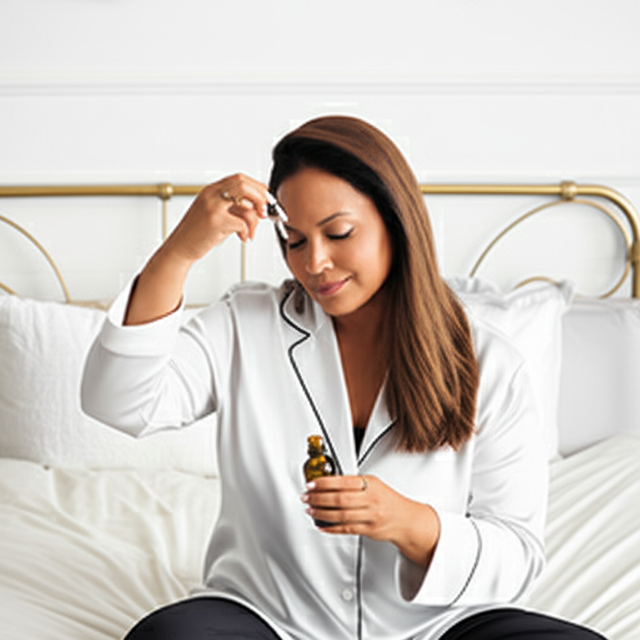
How This Shows Up in Real Life for Women 35-60
If you're dealing with perimenopause hair changes, you probably recognize these scenarios. Your hair feels different when you style it – less full, harder to get volume. You might notice your edges thinning or your crown looking sparse under certain lighting.
The Energy Connection
Hair thinning often comes with other perimenopause symptoms that make everything harder. When you're exhausted from poor sleep and hormonal fluctuations, spending 45 minutes on your hair routine feels impossible. You might find yourself reaching for hats more often or avoiding social situations where you feel self-conscious about your hair.
The Stress Spiral
Worrying about your hair actually makes the problem worse. Chronic stress increases cortisol, which can further disrupt your hair growth cycle. Plus, when you're stressed about your appearance, you're more likely to over-manipulate your hair with heat tools, tight styles, or harsh products that cause more damage.
Practical, Low-Lift Actions You Can Start Now
You don't need a complete hair overhaul or expensive treatments to start supporting your hair health. These three changes are realistic for busy women and can make a real difference:
Switch to a scalp-focused routine: Instead of focusing just on your hair strands, spend 2-3 minutes massaging your scalp when you shampoo. This increases blood flow to follicles and can help remove buildup that blocks growth.
Protect while you sleep: Use a silk or satin pillowcase and consider a loose silk scarf or bonnet. This reduces friction that can cause breakage, especially important for textured hair that's already more fragile due to hormonal changes.
Time your protein intake: Have protein within 30 minutes of waking up. Your hair follicles need amino acids to build strong strands, and morning protein helps stabilize blood sugar fluctuations that can worsen hormonal hair loss.
For additional support with a science-backed approach, you can explore our Body Good botanical hair growth program here: Learn more about this Body Good program.

When It's Time to Get Extra Help
DIY approaches work great for some women, but sometimes you need more targeted support. Consider medical or professional help if you're experiencing rapid hair loss, completely bare patches, or if lifestyle changes haven't helped after 3-4 months.
There's nothing wrong with getting professional support for hair loss – it's not vanity or weakness. Hormone therapy, prescription treatments, or medically-guided topical solutions can be game-changers for women dealing with significant perimenopause hair changes.
The key is working with providers who understand that hair loss in women of color often presents differently and requires different approaches than what works for other demographics. Don't settle for being dismissed or told to "just wait it out."
A comprehensive approach might include hormone testing, scalp analysis, and targeted treatments that address both the underlying hormonal imbalances and the scalp environment. To explore a medically guided option, you can learn more about our Body Good program here: Learn more about this Body Good program.
Bottom Line
Your hair changes during perimenopause are real, common, and not your fault. The thinning you're seeing is your body responding to normal hormonal shifts – but that doesn't mean you have to accept it as permanent or untreatable.
Small, consistent changes to support your scalp health and hormone balance can make a real difference over time. And when those aren't enough, there are medical options that can help restore thickness and confidence. You deserve to feel good about your hair, and with the right approach, you can get there.
Ready to Start Your Weight Loss Journey?
Take our quiz to find the best program for you
Take the Quiz →
Keep reading

Hair Loss From Stress: Why It's Happening and What Actually Helps
Dealing with hair loss from stress? Learn why it happens to women 35-60 and get practical, low-effort solutions that actually work.

Topical vs Oral Supplements for Hair Loss: What Actually Works for Women Over 35
Struggling with hair loss? Learn the real difference between topical vs oral supplements for hair loss, plus hormone and lifestyle fixes that work.

Topical vs. Oral Hair Loss Supplements: What Actually Works for Women Over 35
Confused about topical vs oral hair loss supplements? Learn which approach works best for women 35+ dealing with thinning hair, plus practical tips.

Traction Alopecia From Protective Styles: What's Really Happening to Your Scalp
Learn how protective styles cause traction alopecia, plus hormone and lifestyle fixes for Black and Latina women dealing with hair loss.

Why Your Edges Keep Thinning After Years of Tight Braids (And How to Actually Fix It)
Tired of thinning edges from tight braids? Learn why it happens and get real solutions that address the root causes - not just quick fixes.
Oral Maintenance Options After GLP-1s
Transitioning off GLP-1 medications doesn't mean your progress has to stop. Learn about oral maintenance options that may help support healthy weight management and long-term success with Body Good Studio.