
Hair Care for Locs and Braids: The Real Talk Guide to Scalp Health and Hormonal Changes
Let's be honest - your hair care routine isn't working like it used to. Your scalp is drier, your edges are acting up, and those protective styles that once saved your life now seem to cause more drama than they solve.
Here's the thing: if you're a Black or Latina woman over 35, your hair changes aren't about what you're doing wrong. They're about what's happening inside your body - specifically, your hormones are shifting, and your scalp is responding in ways nobody warned you about.
This article will give you the real talk about hair care for locs and braids when your body is changing, plus practical steps that work for busy women who don't have time for 12-step routines. To explore a medically guided option for hair health, you can learn more about our Body Good program here: Learn more about this Body Good program.

What's Actually Going On With Your Scalp and Hair
When you hit your mid-30s and beyond, your hormones start doing their own thing. Estrogen levels begin their slow decline toward menopause, and your body starts producing less of the oils that keep your scalp healthy and your hair strong.
For women with textured hair in protective styles, this creates a perfect storm:
- Your scalp produces less natural oil, but your locs or braids make it harder for what little oil you do have to travel down the hair shaft
- Hormonal changes can make your scalp more sensitive to products and styling tension
- Stress (hello, life in your 40s) increases cortisol, which can mess with hair growth cycles and scalp health
This isn't about you not taking care of yourself. This is biology responding to life changes.
How This Shows Up in Real Life for Women 35-60
Maybe you've noticed your weekly wash routine feels different. Your scalp gets itchy faster. Your edges look thinner. Or your locs that used to feel moisturized now feel perpetually dry no matter what you put on them.
The Perimenopause Hair Stack
During perimenopause, declining estrogen affects everything from your sleep to your skin - and yes, your scalp. You might notice your hair feels coarser, your scalp gets irritated easier, or that protective styles that never bothered you before now cause tension headaches. Your hair growth might slow down, and you might see more shedding when you take down braids or wash your locs.
The Stress and Sleep Connection
When you're juggling work, family, and life changes, your cortisol levels stay elevated. High cortisol doesn't just make you tired - it actually disrupts your hair growth cycle and can make scalp conditions like seborrheic dermatitis worse. Poor sleep (thanks again, hormones) means your body has less time to repair and regenerate, including your hair follicles.
Practical, Low-Lift Actions She Can Start Now
You don't need a complete hair routine overhaul. Here are three changes that actually make a difference:
Switch to a gentle, pH-balanced cleanser once a week. Your changing hormones mean your scalp is more sensitive. Use a sulfate-free shampoo or co-wash that won't strip your scalp but will remove buildup that can clog follicles. Focus on massaging your scalp, not scrubbing your locs or braids.
Add a lightweight oil to your scalp (not your hair) twice a week. Jojoba or safflower oil mimic your scalp's natural sebum better than heavy oils. Use a small amount directly on your scalp - you can use a spray bottle to dilute it if you have locs. Your goal is to support your scalp's barrier function, not weigh down your hair.
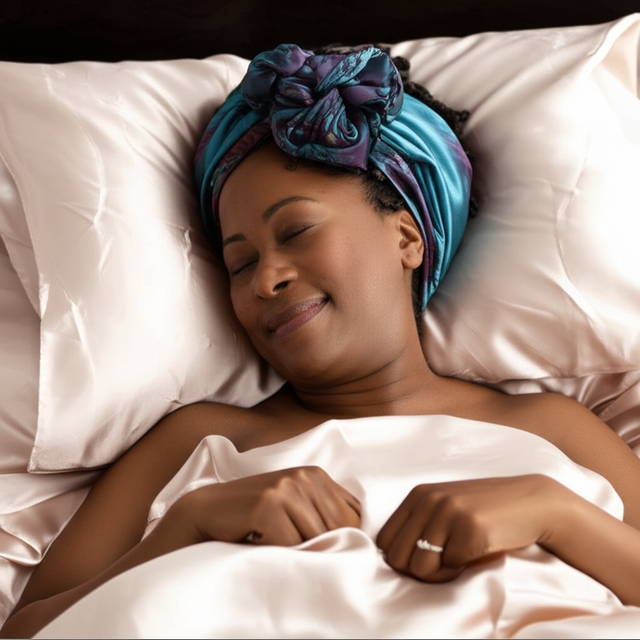
Sleep with a silk or satin pillowcase and scarf combination. Your hair loses more moisture now than it used to. The silk reduces friction that can cause breakage, especially around your edges and nape where hormonal hair loss often starts first.
These aren't miracle cures, but they work with your body's changes instead of fighting against them.
When It's Time to Get Extra Help
Sometimes DIY isn't enough, and that's not a failure on your part. If you're dealing with significant hair thinning, persistent scalp irritation, or if your hair care routine used to work but suddenly doesn't, it might be time to look into medical support.
Treatments like prescription scalp treatments, hormone support, or targeted hair growth therapies can address the root causes of what you're experiencing. These aren't "cheating" - they're tools that work with your biology during this life stage. To explore a medically guided option for hair health, you can learn more about our Body Good program here: Learn more about this Body Good program.
Consider getting help if you notice sudden changes in hair texture, significant thinning around your hairline, or if scalp irritation doesn't improve with gentle care adjustments within 4-6 weeks.
Bottom Line
Your hair care routine for locs and braids needs to evolve as your body changes - and that's completely normal. The techniques that worked in your 20s might not cut it in your 40s because your hormones, stress levels, and scalp needs are different now.
This isn't about finding the perfect product or spending more money on your routine. It's about understanding what's happening in your body and making small, strategic changes that support your scalp health during this transition. You deserve hair care solutions that work for women like you, at this stage of life. To explore a medically guided option that can complement your hair care routine, you can learn more about our Body Good program here: Learn more about this Body Good program.
Keep reading

How to Rebuild Your Scalp Barrier When Hormones Are Sabotaging Your Hair
Learn how to rebuild your scalp barrier naturally. Discover hormone-friendly solutions for healthier hair and scalp health that actually work.

Hair Oils vs Serums for Hair Regrowth: What Actually Works for Thinning Hair
Confused about hair oils vs serums for hair regrowth? Get the real talk on what works for hormonal hair thinning, scalp health, and lifestyle fixes.

How To Rebuild A Healthy Scalp Barrier — Scalp, Hormones, and Lifestyle Fixes
Discover how to rebuild a healthy scalp barrier with hormone-focused strategies and lifestyle fixes designed for busy women 35-60.

Protective Styles for Scalp Health: Why Your Hair Needs More Than Just Good Intentions
Learn how protective styles support scalp health, especially during hormonal changes. Get practical tips for Black and Latina women dealing with hair concerns.

Hair Oils vs. Serums: Which Actually Works for Regrowth?
Struggling with hair loss? Learn the real difference between oils and serums for hair regrowth, plus what actually works for women over 35.

Why Your Scalp Barrier Is Breaking Down (And How to Fix It Without the Fancy Products)
Discover why hormones and stress wreck your scalp barrier, plus simple fixes that actually work for Black and Latina women dealing with scalp issues.