
How to Rebuild Your Scalp Barrier When Hormones Are Sabotaging Your Hair
Let's be honest – your scalp has been through it. Between stress, hormonal shifts, heat styling, and all the products promising miracles, your scalp barrier is probably screaming for help. And if you're a woman between 35 and 60, chances are your hormones aren't making things any easier.
Here's the thing: a damaged scalp barrier isn't just about having a flaky, itchy scalp. It's the foundation of healthy hair growth, and when it's compromised, everything else suffers – your hair texture, thickness, even how your products work.
This article will break down what's actually happening with your scalp barrier, how hormones play into it, and most importantly, what you can do about it without turning your bathroom into a chemistry lab.
To explore a medically guided approach to hair and scalp health, you can learn more about our Body Good program here: Learn more about this Body Good program.
What's Actually Going On With Your Scalp Barrier
Your scalp barrier is basically your scalp's protective shield. It's made up of oils, moisture, and beneficial bacteria that keep irritants out and hydration in. When it's healthy, your scalp feels comfortable and your hair grows from a nourished environment.
When it's damaged, you get:
- Dryness, flaking, and irritation that no amount of deep conditioning seems to fix
- Hair that feels coarse or breaks easily because it's not getting proper nourishment from the root
- Products that either don't work or make things worse because your scalp can't properly absorb or process them
Think of it like trying to grow a garden in poor soil – you can water and fertilize all you want, but if the foundation isn't right, nothing's going to thrive.
How This Shows Up in Real Life for Women 35-60
If you've noticed your scalp feeling different lately, you're not imagining things. Your scalp goes through changes just like the rest of your body, especially during perimenopause and menopause.
The Perimenopause Stack
Declining estrogen doesn't just give you hot flashes – it also reduces oil production in your scalp. Less oil means less protection, which means your scalp barrier gets compromised more easily. Add in the stress of juggling work, family, and your changing body, and your scalp is dealing with a perfect storm.
You might notice your scalp feels tighter, more sensitive to products that never bothered you before, or that your hair looks dull even when you're using the same routine that used to work.
Stress and Sleep Connection
Chronic stress increases cortisol, which can disrupt your scalp's natural balance and slow down cell renewal. Poor sleep makes it worse because that's when your body does most of its repair work. If you're getting interrupted sleep (hello, night sweats), your scalp isn't getting the recovery time it needs.
This is why your scalp issues might feel worse during particularly stressful periods or when you're not sleeping well.

Practical, Low-Lift Actions You Can Start Now
You don't need to overhaul your entire routine or spend hundreds on new products. These three changes can make a real difference:
Switch to lukewarm water and gentle massage. Hot water strips your scalp's natural oils, making barrier damage worse. When you wash, use lukewarm water and massage with your fingertips (not nails) for 30 seconds to stimulate circulation without causing irritation.
Give your scalp a break from heavy styling. Heat tools, tight ponytails, and heavy products all stress your scalp barrier. Try air-drying twice a week and using looser hairstyles when possible. Your scalp needs breathing room to heal.
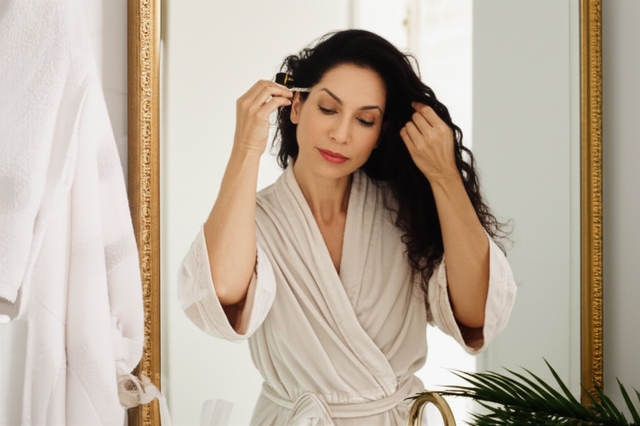
Add a scalp-specific step to your routine. Once or twice a week, before washing, massage a few drops of jojoba or argan oil into your scalp. Leave it for 10 minutes, then wash as usual. This gives your barrier some extra support without complicated multi-step routines.
For comprehensive support that addresses both scalp health and overall hair wellness from the inside out, you can explore our Body Good program here: Learn more about this Body Good program.
When It's Time to Get Extra Help
Sometimes DIY isn't enough, and that's completely normal. If you've been consistent with gentle care for 6-8 weeks and you're still dealing with persistent irritation, excessive flaking, or hair that feels increasingly fragile, it might be time for additional support.
This is especially true if you're also dealing with other hormonal symptoms like irregular periods, weight changes, or energy crashes. Your scalp doesn't exist in isolation – it's connected to your overall hormonal health.
Medical support might include addressing nutrient deficiencies that affect scalp health, hormone optimization to support natural oil production, or prescription treatments for underlying scalp conditions. Getting help isn't "giving up" – it's recognizing that your body might need more support than lifestyle changes alone can provide.
The key is working with providers who understand that scalp health is connected to your overall health, not just a cosmetic issue to manage with topical treatments.
To work with a team that understands the connection between hormones and hair health, you can learn more about our comprehensive Body Good approach here: Learn more about this Body Good program.
Bottom Line
Your scalp barrier issues aren't a sign that you're not taking good enough care of yourself. They're often a sign that your body is going through changes and needs different support than it used to.
Start with gentle, consistent care that works with your scalp's natural healing process. But don't hesitate to get additional help if you need it – your scalp health affects everything from your confidence to how you feel when you look in the mirror. You deserve to feel good about your hair, and that starts with a healthy scalp foundation.
Ready to Start Your Weight Loss Journey?
Take our quiz to find the best program for you
Take the Quiz →
Keep reading

Hair Care for Locs and Braids: The Real Talk Guide to Scalp Health and Hormonal Changes
Real talk about hair care for locs and braids during perimenopause. Learn how hormones affect your scalp and get practical tips that actually work.

Hair Oils vs Serums for Hair Regrowth: What Actually Works for Thinning Hair
Confused about hair oils vs serums for hair regrowth? Get the real talk on what works for hormonal hair thinning, scalp health, and lifestyle fixes.

How To Rebuild A Healthy Scalp Barrier — Scalp, Hormones, and Lifestyle Fixes
Discover how to rebuild a healthy scalp barrier with hormone-focused strategies and lifestyle fixes designed for busy women 35-60.

Protective Styles for Scalp Health: Why Your Hair Needs More Than Just Good Intentions
Learn how protective styles support scalp health, especially during hormonal changes. Get practical tips for Black and Latina women dealing with hair concerns.

Hair Oils vs. Serums: Which Actually Works for Regrowth?
Struggling with hair loss? Learn the real difference between oils and serums for hair regrowth, plus what actually works for women over 35.

Why Your Scalp Barrier Is Breaking Down (And How to Fix It Without the Fancy Products)
Discover why hormones and stress wreck your scalp barrier, plus simple fixes that actually work for Black and Latina women dealing with scalp issues.