
Why Your Scalp Barrier Is Breaking Down (And How to Fix It Without the Fancy Products)
Let's be honest – you've probably spent more money on scalp treatments and "miracle" hair products than you'd care to admit. Yet here you are, dealing with dryness, itching, flakes, or that weird tender feeling when you touch your scalp. Sound familiar?
Here's the thing: your scalp barrier breaking down isn't about using the wrong shampoo or not deep conditioning enough. It's happening at a cellular level, driven by hormones, stress, and changes in your body that have nothing to do with your hair routine.
This article will help you understand what's actually going on with your scalp barrier and give you realistic ways to rebuild it – without breaking the bank or adding another hour to your already packed day. Learn more about this Body Good program that supports scalp health from the inside out.
What's Actually Going On With Your Scalp Barrier
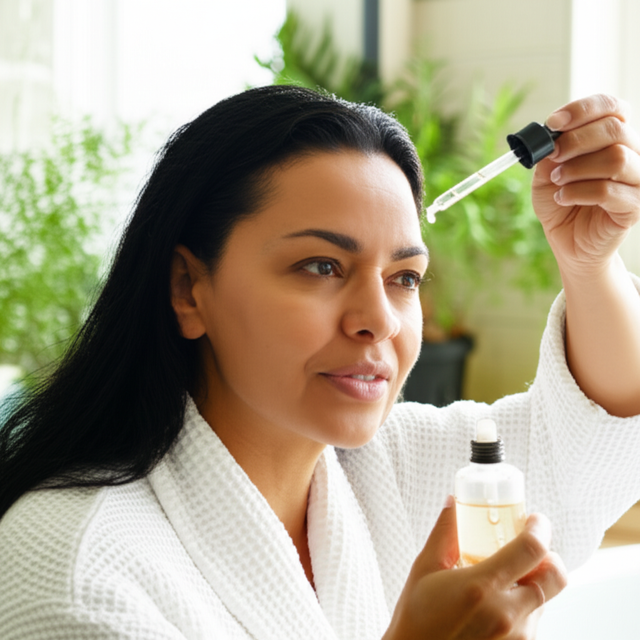
Your scalp barrier is basically your scalp's security system. It's made up of oils, proteins, and skin cells that work together to keep the good stuff in (moisture, nutrients) and the bad stuff out (bacteria, irritants, pollution).
When this barrier gets compromised, your scalp becomes reactive, dry, and inflamed. Think of it like a broken fence around your house – suddenly everything can get through that shouldn't be there.
Here's what breaks down your scalp barrier:
Hormonal fluctuations – especially declining estrogen during perimenopause, which reduces oil production and protein synthesis
Chronic stress – elevates cortisol, which literally breaks down the proteins that keep your barrier intact
Inflammation – from diet, environment, or underlying health issues that show up on your scalp first
How This Shows Up in Real Life for Women 35–60
You know your scalp barrier is struggling when simple things start feeling complicated. Maybe your go-to products suddenly sting. Or you wake up with an itchy, tender scalp even though you didn't change anything.
The Perimenopause Stack
If you're in your 40s or 50s, perimenopause is likely playing a major role. As estrogen drops, your scalp produces less sebum (natural oil). This leaves your barrier vulnerable and dry. You might notice your hair feels different at the roots, or your scalp gets irritated by products that never bothered you before.
The fix isn't just adding more moisture – it's supporting your body's ability to maintain healthy skin and oil production as hormones shift.
Stress and Sleep Connection
Poor sleep and chronic stress create a perfect storm for scalp barrier breakdown. When you're running on empty, your body prioritizes vital functions and puts scalp health on the back burner. You might notice your scalp issues get worse during particularly stressful periods at work or home.
Practical, Low-Lift Actions She Can Start Now
You don't need a complete overhaul of your routine. These three changes can make a real difference without adding stress to your life:
Switch to lukewarm water – Hot water strips your scalp's natural oils faster than anything else. Make this one change and you'll likely see improvement within a week.
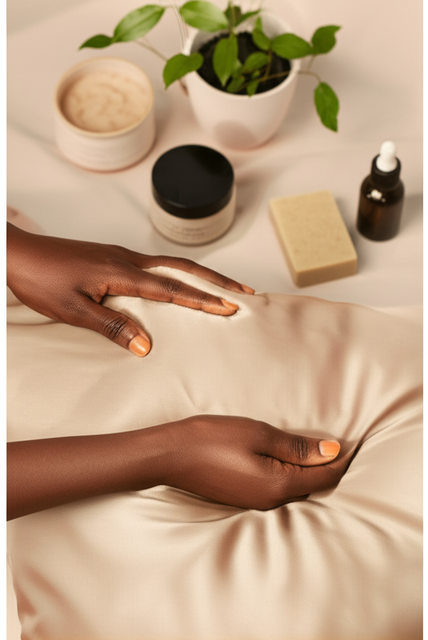
Oil your scalp once a week – Use whatever oil you have (jojoba, coconut, even olive oil from your kitchen). Apply to dry scalp, leave for 30 minutes while you do other things, then shampoo normally. This helps rebuild the barrier while you go about your day.
Sleep with a silk or satin pillowcase – This reduces friction that can irritate an already compromised scalp barrier. It's a one-time purchase that works while you sleep.
To explore a medically guided option that supports healthy hair growth from within, you can learn more about our Body Good program here.
When It's Time to Get Extra Help
Sometimes your scalp barrier needs more support than lifestyle changes can provide. This is especially true if you're dealing with hormonal changes, have underlying inflammation, or if your scalp issues are affecting your confidence and daily life.
Getting medical support isn't "giving up" or being "high maintenance." It's recognizing that your body might need additional nutrients, hormonal support, or targeted treatments to rebuild healthy scalp tissue.
Professional help makes sense when you're experiencing persistent itching, flaking, hair thinning at the roots, or when your scalp feels tender to touch despite consistent home care.
Bottom Line
Your scalp barrier breaking down isn't a character flaw or something you caused by using the wrong products. It's a biological response to hormones, stress, and changes happening in your body – especially as you navigate your 30s, 40s, and beyond.
The good news? Small, consistent changes can make a big difference. Start with the simple fixes, be patient with your scalp as it heals, and don't hesitate to get professional support when you need it. Your scalp barrier can rebuild – it just needs the right tools and time to do its job. For comprehensive support that addresses scalp health from multiple angles, explore our Body Good program designed specifically for women like you.
Keep reading

How to Rebuild Your Scalp Barrier When Hormones Are Sabotaging Your Hair
Learn how to rebuild your scalp barrier naturally. Discover hormone-friendly solutions for healthier hair and scalp health that actually work.

Hair Care for Locs and Braids: The Real Talk Guide to Scalp Health and Hormonal Changes
Real talk about hair care for locs and braids during perimenopause. Learn how hormones affect your scalp and get practical tips that actually work.

Hair Oils vs Serums for Hair Regrowth: What Actually Works for Thinning Hair
Confused about hair oils vs serums for hair regrowth? Get the real talk on what works for hormonal hair thinning, scalp health, and lifestyle fixes.

How To Rebuild A Healthy Scalp Barrier — Scalp, Hormones, and Lifestyle Fixes
Discover how to rebuild a healthy scalp barrier with hormone-focused strategies and lifestyle fixes designed for busy women 35-60.

Protective Styles for Scalp Health: Why Your Hair Needs More Than Just Good Intentions
Learn how protective styles support scalp health, especially during hormonal changes. Get practical tips for Black and Latina women dealing with hair concerns.

Hair Oils vs. Serums: Which Actually Works for Regrowth?
Struggling with hair loss? Learn the real difference between oils and serums for hair regrowth, plus what actually works for women over 35.